We are pleased to announce that ECO-STEP – Promoting Green Futures in Higher Education has been approved for funding under the Erasmus+ Cooperation Partnerships in Higher Education, KA220-HED programme.
Starting in December 2026, ECO-STEP will bring together six organisations from Romania, Croatia, Cyprus, Belgium, Austria and Greece for a 24-monthEuropean collaboration focused on strengthening sustainability, green and digital competences in Higher Education.
The project responds to a clear challenge: sustainability competences need to move beyond theory and become part of practical learning, decision-making and professional preparation across different academic disciplines.
ECO-STEP will therefore develop:
an interdisciplinary sustainability competence framework and curriculum, aligned with GreenComp and European skills priorities;
an interactive Sustainability Impact Simulator, allowing learners to explore real-world sustainability choices, impacts and trade-offs;
a Digital Hub of Resources, bringing together open educational materials, multimedia resources and interactive learning activities;
a 1-ECTS MOOC supporting accessible and flexible sustainability learning;
a European collaboration network connecting higher education institutions, VET providers, public authorities, civil society and other stakeholders.
The project is coordinated by the University of Agronomic Sciences and Veterinary Medicine of Bucharest – USAMV fromROMANIA, together with University of Zagreb fromCROATIA, University of Nicosiafrom CYPRUS, KMOP Policy Centerfrom BELGIUM, PAMEA from AUSTRIA & CARDET360from Greece.
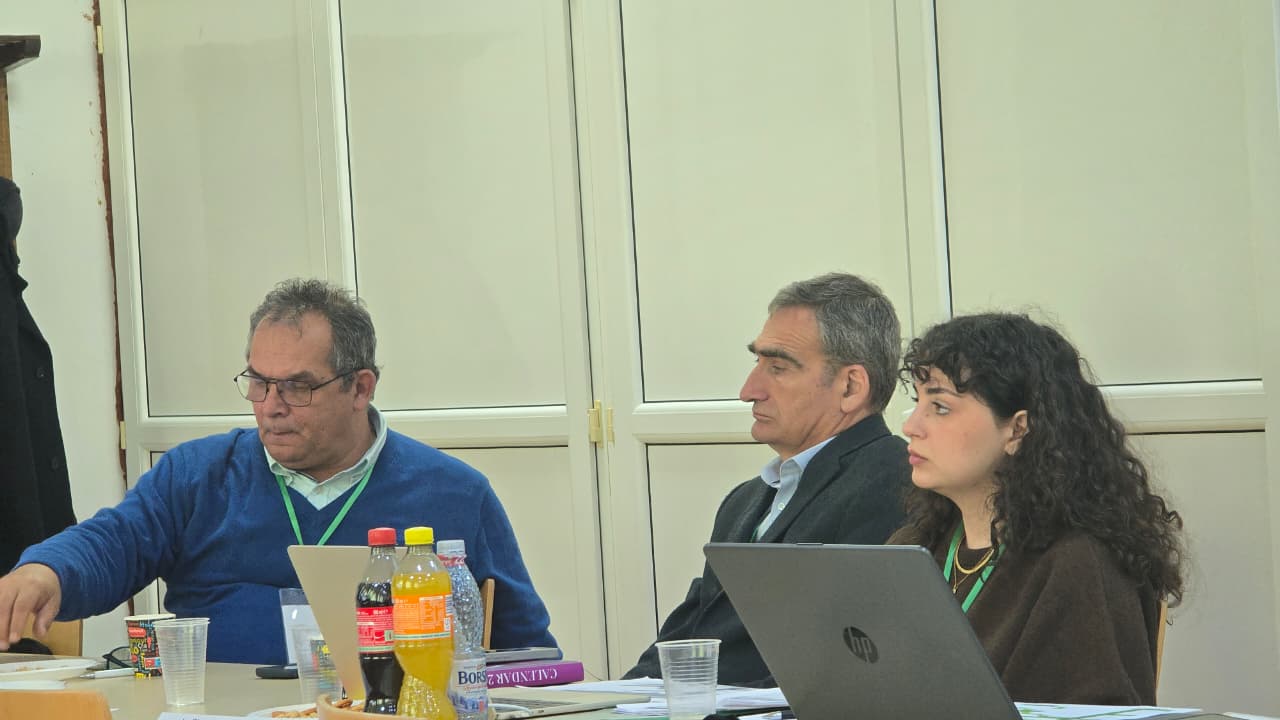
ECO-STEP NATIONAL WORKSHOP IN AUSTRIA.
With a total Erasmus+ grant of €250,000, ECO-STEP will run until 30 November 2028, creating open and transferable resources designed for continued use by higher education institutions and other education and training organisations across Europe.
For PAMEA, participation in ECO-STEP represents another concrete opportunity to connect sustainability competences, education and digital tools with real-world decision-making and to support institutions preparing learners for the green transition.
We look forward to starting the work with our European partners and sharing ECO-STEP’s activities, resources and results as the project develops.
PAMEA CONTRIBUTES TO MALTESE TRAINING IN MALTA ON DIGITAL TOOLS, RURAL INNOVATION AND ENTREPRENEURSHIP
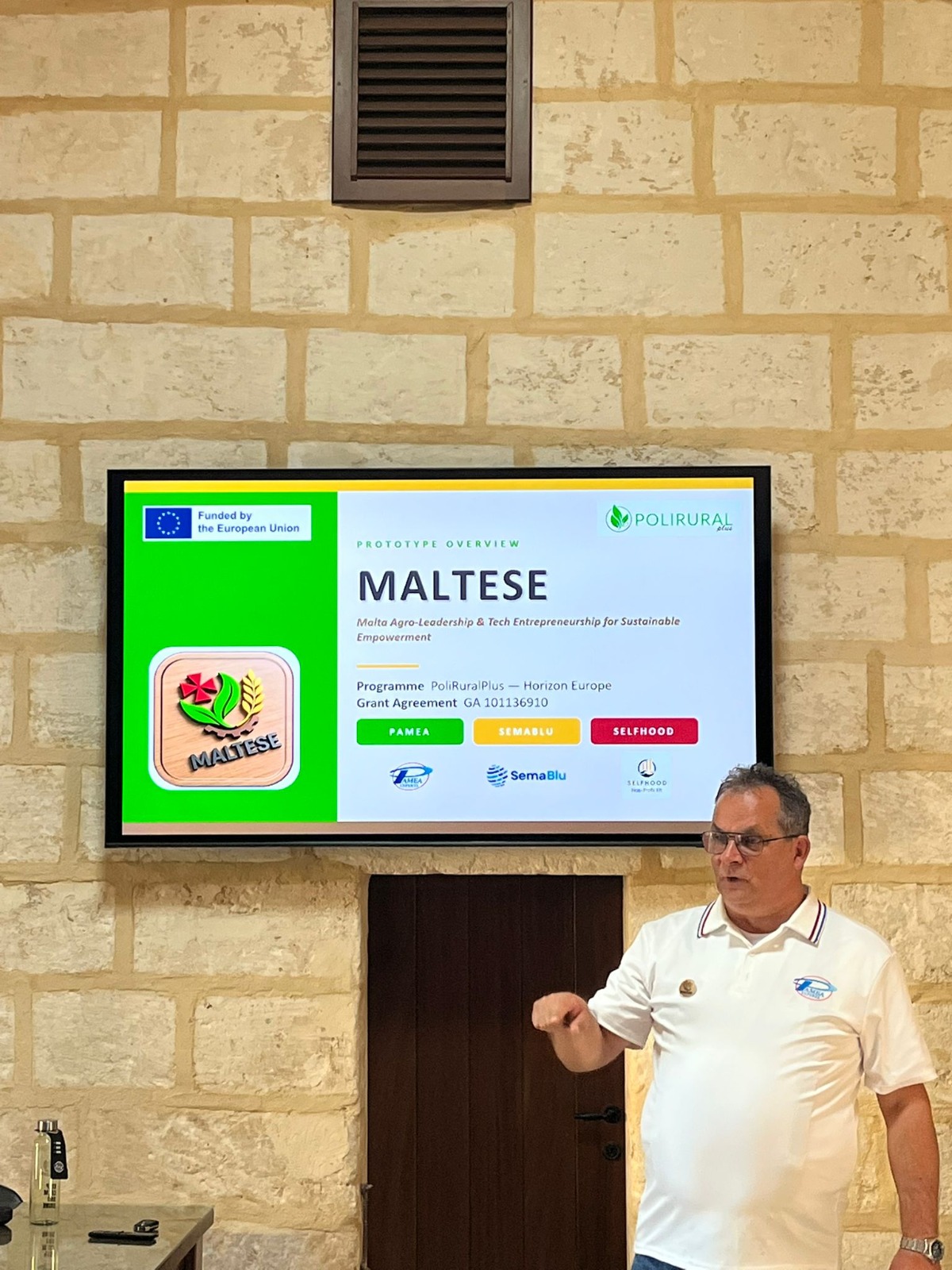
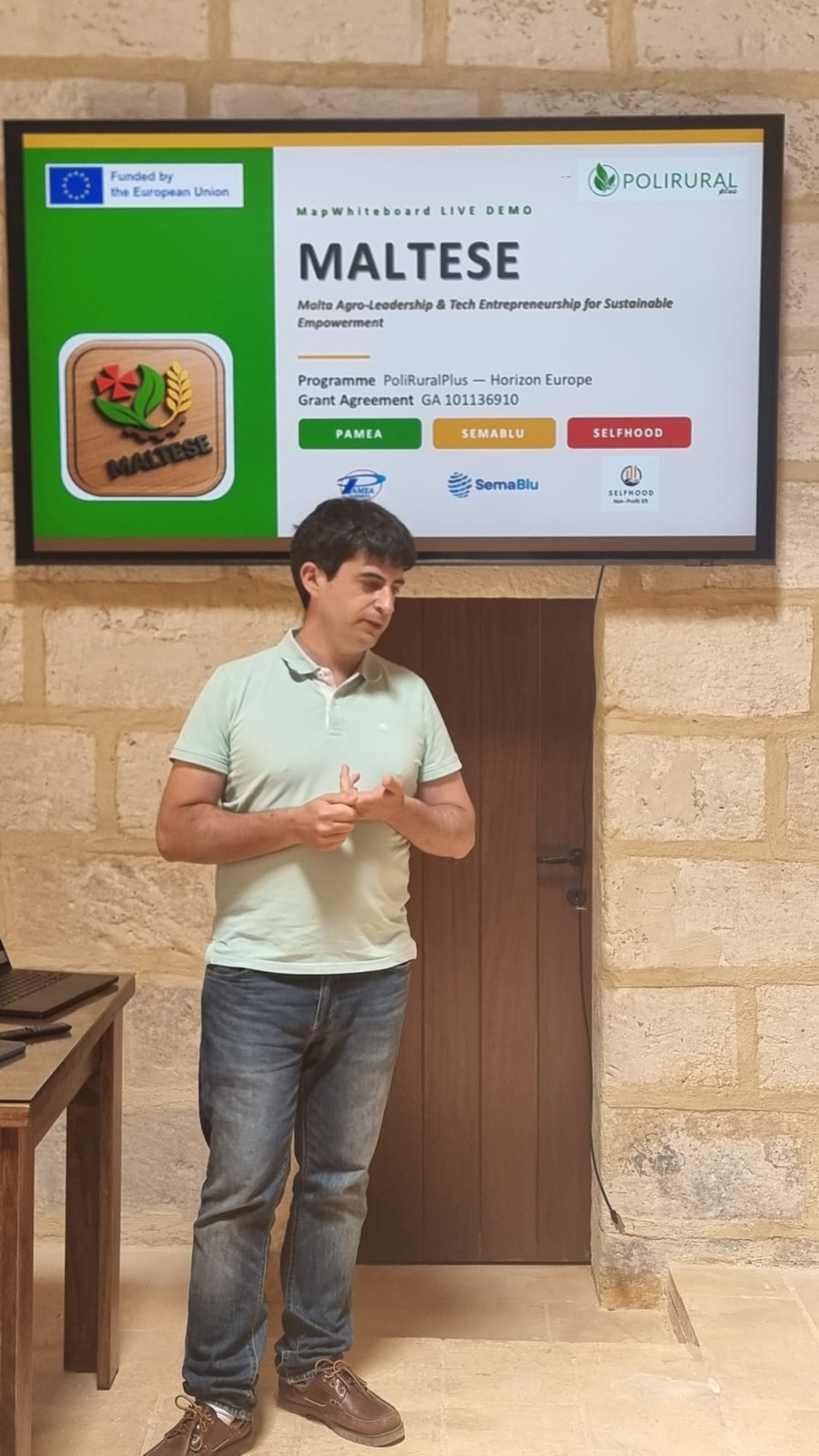
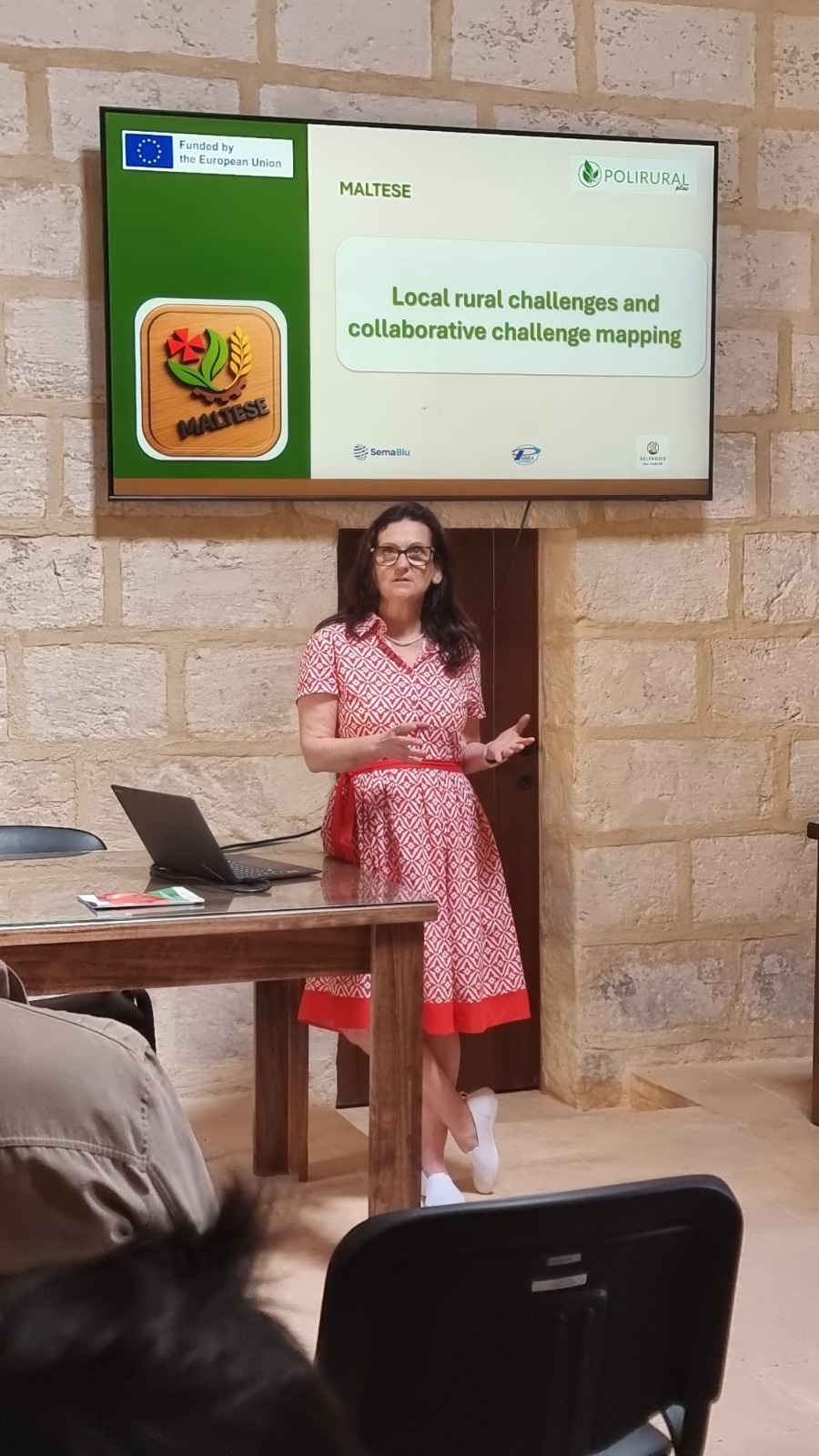
From 5 to 8 May 2026, PAMEA contributed to the organisation and delivery of the MALTESE training programme in Malta, hosted at the National Viticulture & Oenology Centre in Ħad-Dingli.
The four-day training marked an important implementation step for MALTESE, moving the project from technical preparation into direct engagement with participants, practical demonstrations, and hands-on work around rural innovation.
The activity brought together participants interested in agriculture, rural entrepreneurship, digitalisation, sustainability, and local development. Through a mix of live demonstrations, workshops, group exercises and mentoring sessions, the training explored how digital tools can support rural communities and create stronger links between local producers, entrepreneurs and urban markets.
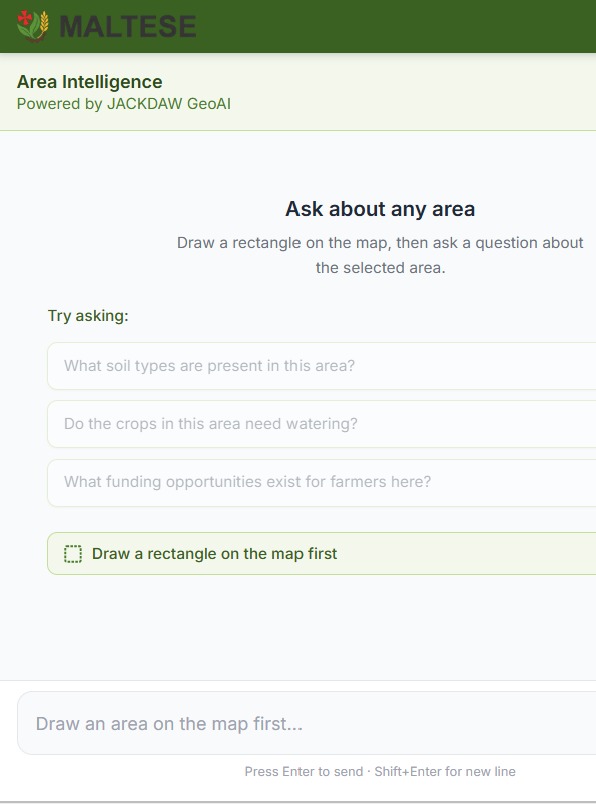
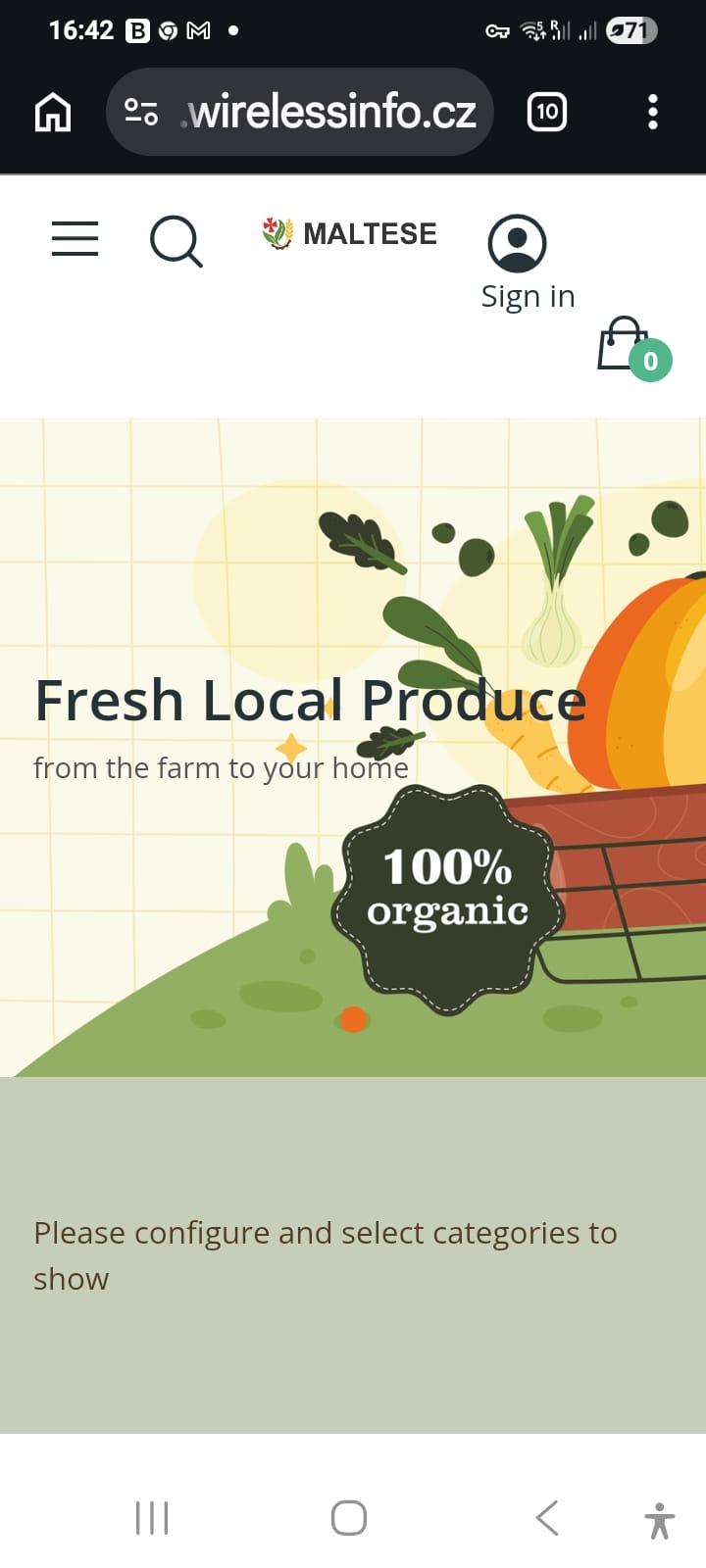
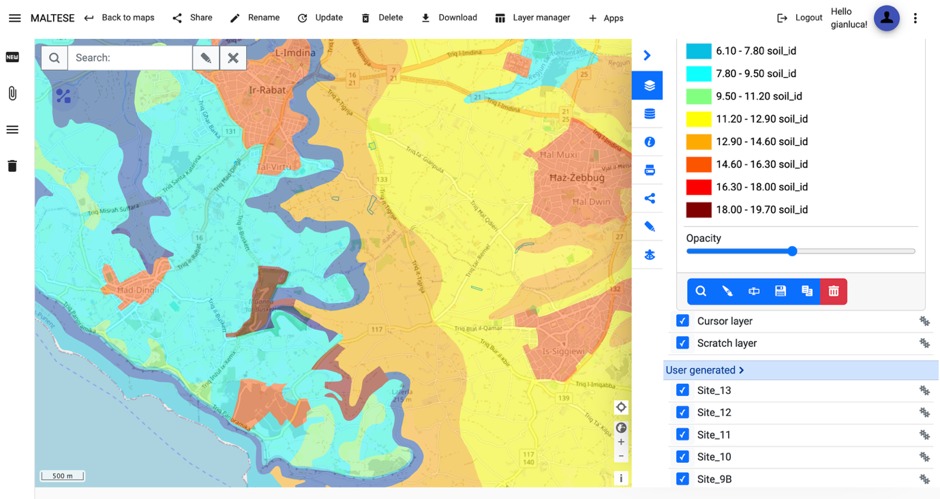
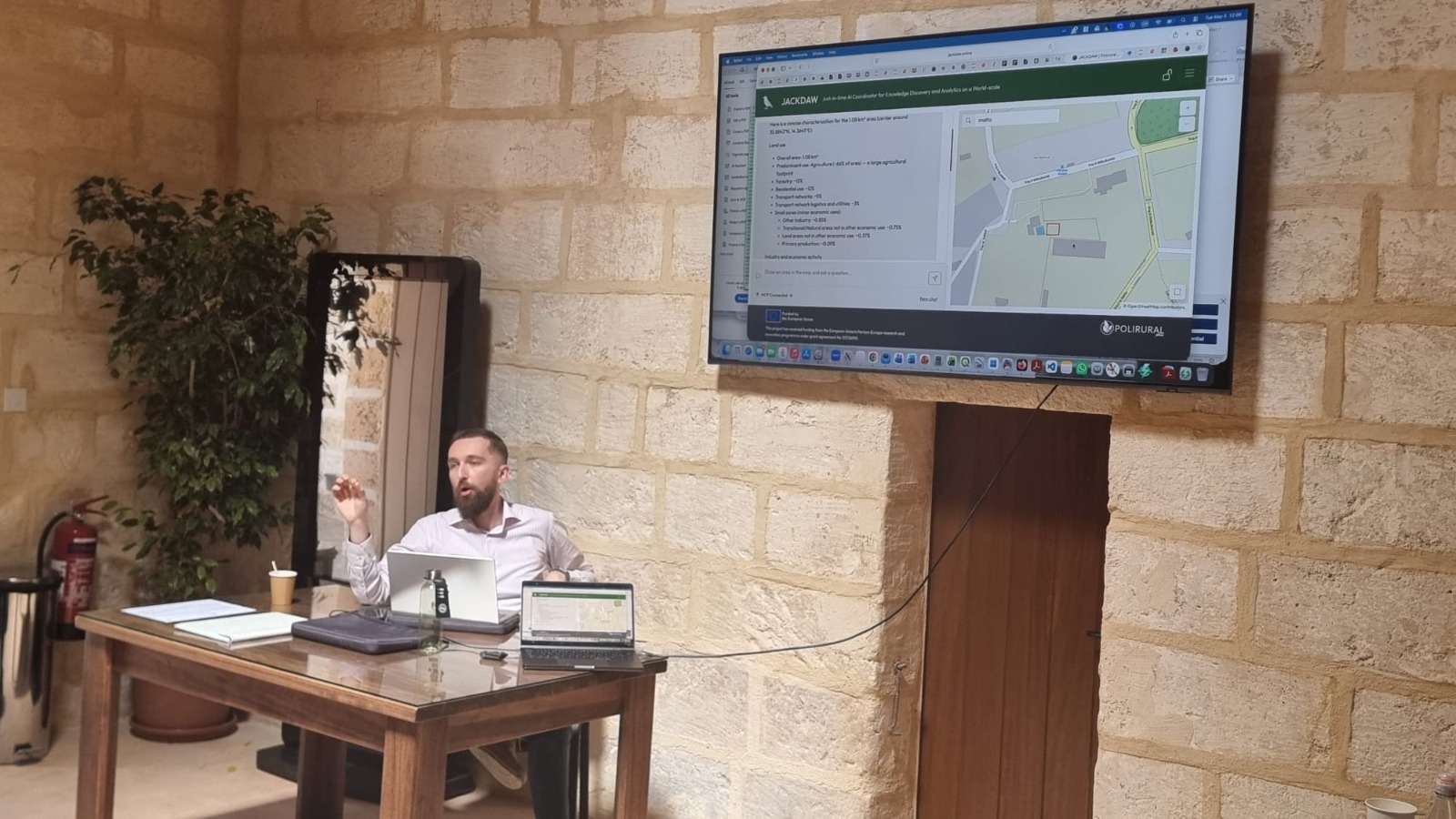
A central part of the programme was the presentation and testing of the MALTESE Digital Prototype. Participants were introduced to three core tools: the JackDaw GeoAI Chatbot, the Map Whiteboard, and the Rural-Urban E-Market platform.
The JackDaw GeoAI Chatbot was explored as a tool for advisory support, crop guidance, funding-related questions and location-based information. The Map Whiteboard supported collaborative mapping, visual planning and stakeholder engagement. The Rural-Urban E-Market platform introduced participants to producer profiles, product listing logic, market access and short supply chain opportunities.
Beyond the digital tool demonstrations, the training focused on practical rural development challenges. Participants worked on community mapping, identified local assets and bottlenecks, discussed circular economy practices, explored sustainable agri-business ideas, and reflected on how smarter resource use can support farming and rural entrepreneurship.
PAMEA led and supported key parts of the programme, including the prototype overview, circular agri-business logic, SMART irrigation and resource efficiency discussions, business model development, mentoring and final pitch preparation. These sessions helped participants move from general ideas to more structured concepts that could respond to real local needs.
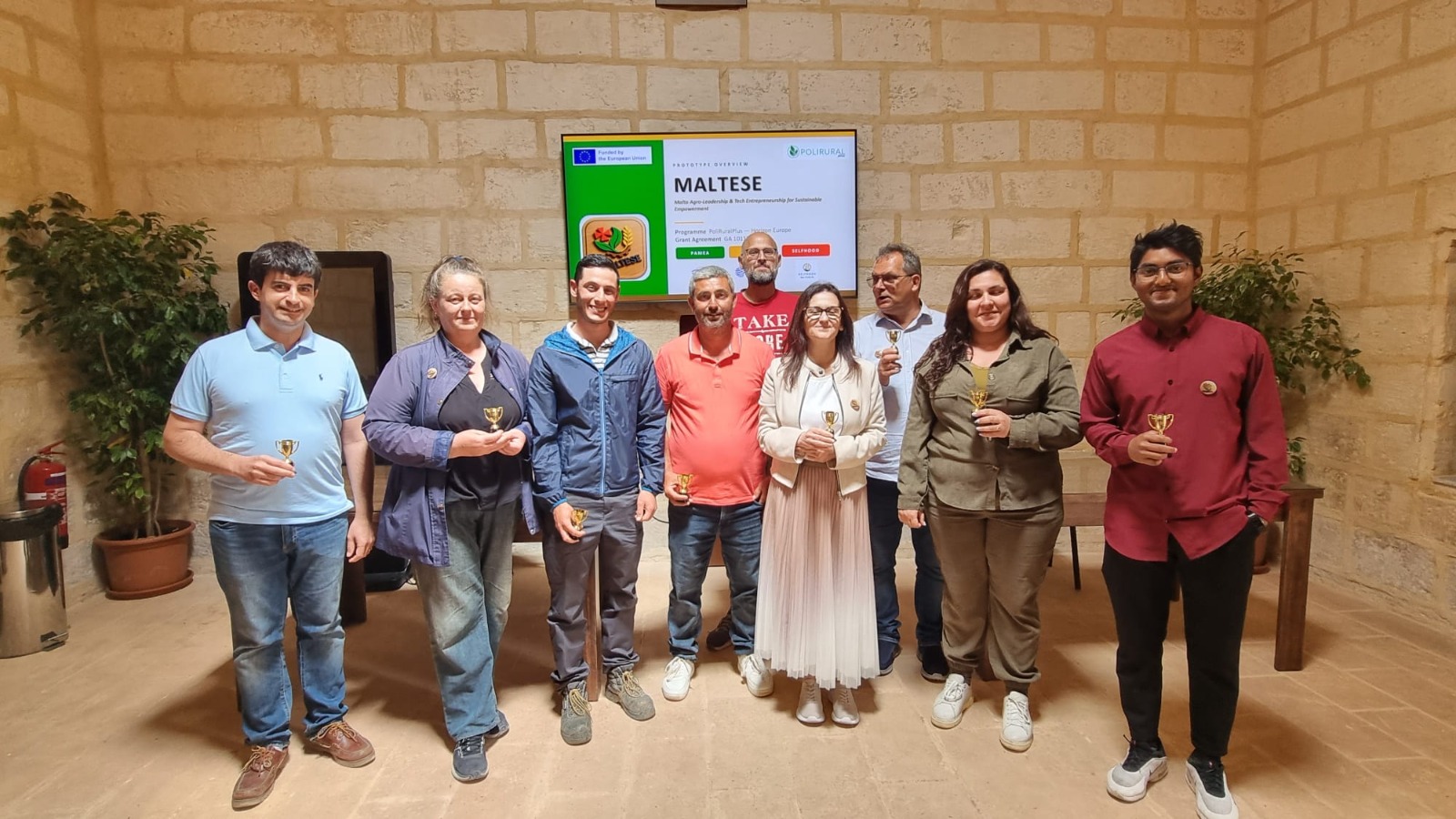
The final day focused on coaching, business model refinement and presentation preparation. Participants developed and presented their ideas, received feedback, and took part in the closing session, which included certificates, participant recognition and final reflections.
The training confirmed one of the core ideas behind MALTESE: digital transformation in rural areas needs to be practical, accessible and connected to the people who are expected to use it. Tools alone are not enough. They need to be explained, tested, adapted and discussed with farmers, young people, entrepreneurs, educators and local stakeholders.
PAMEA thanks all participants for their active involvement, questions and contributions throughout the training. Their engagement helped turn the programme into a meaningful learning and testing environment for rural innovation in Malta.
PAMEA also acknowledges the strong collaboration with SEMABLU and SELFHOOD, as well as the valuable support of AcrossLimits, the PoliRuralPlus partner for Malta. This cooperation helped connect the MALTESE training with the wider PoliRuralPlus framework and with local priorities for digital and green transition.
Following the Malta training, MALTESE will continue working on prototype refinement, stakeholder engagement, dissemination and final demonstration activities. The results and feedback collected during the training will support the next steps of the project and contribute to broader lessons for rural and small-island regions across Europe.
MALTESE is implemented as a cascade project connected to the PoliRuralPlus Malta pilot. Through its activities, the project aims to support rural digital skills, entrepreneurship, circular economy thinking and stronger rural-urban connections in Malta.
The project PoliRuralPlus has received funding from the European Union’s Horizon Europe research and innovation programme under grant agreement No 101136910.
Disclaimer
Views and opinions expressed are, however, those of the author(s) only and do not necessarily reflect those of the European Union or the European Research Executive Agency (REA). Neither the European Union nor the granting authority can be held responsible for them.
PoliRuralPlus has received funding from the European Union’s Horizon Europe research and innovation programme under Grant Agreement No. 101136910. Views and opinions expressed are however those of the author(s) only and do not necessarily reflect those of the European Union or the European Research Executive Agency. Neither the European Union nor the granting authority can be held responsible for them.
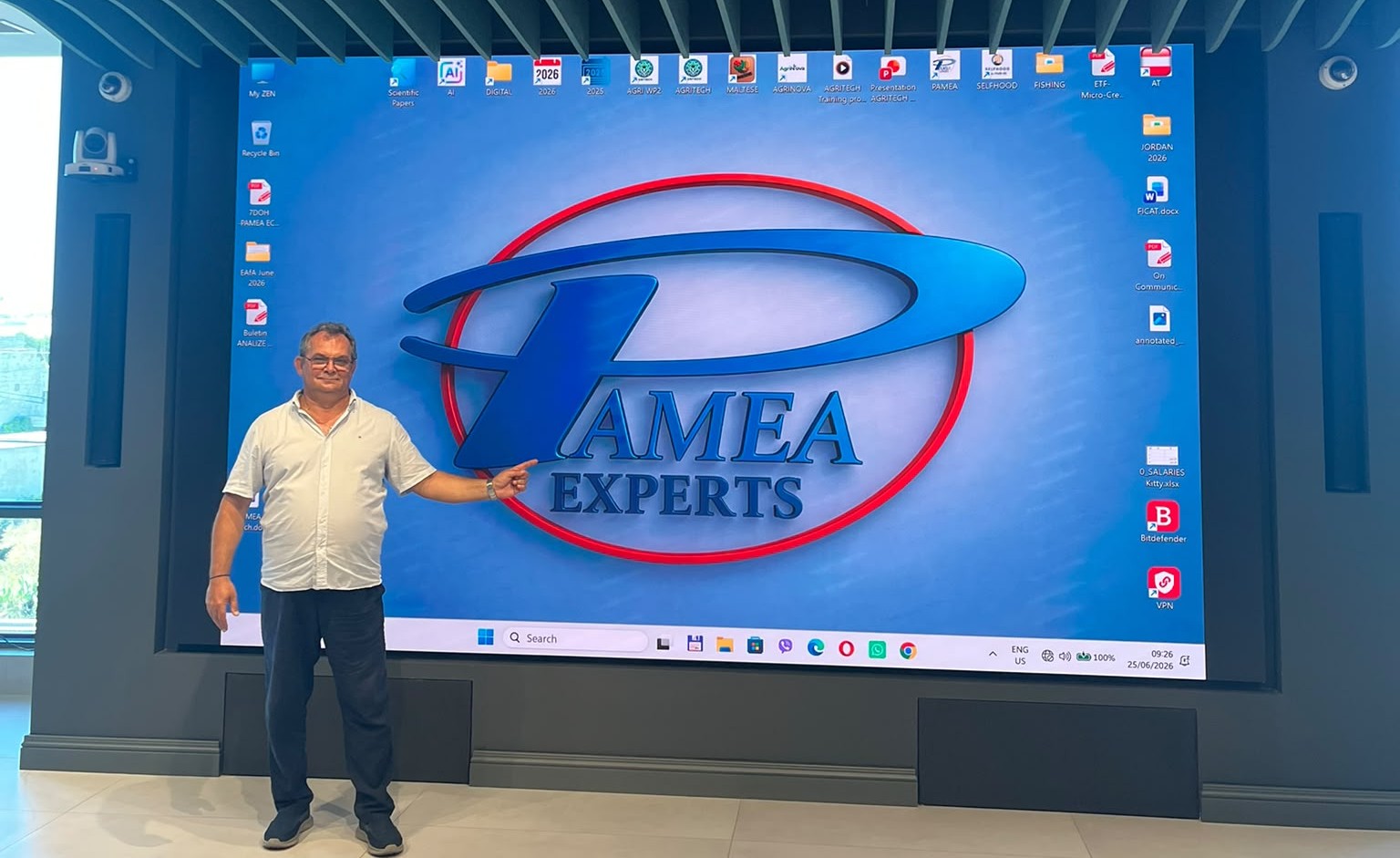
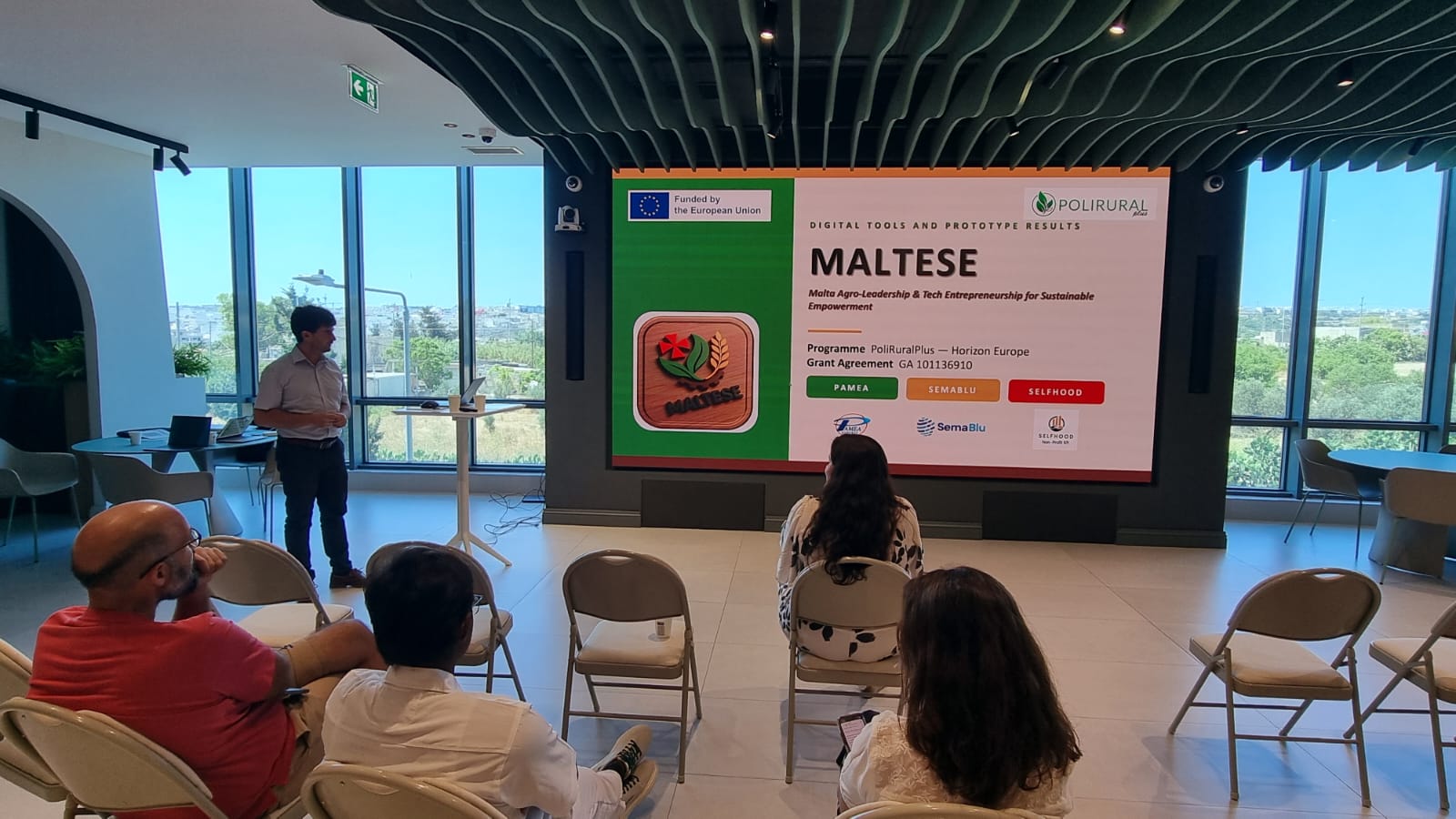
BIRKIRKARA, Malta – MALTESE consortium held its Final Dissemination Event on June 25, 2026, at the Malta Digital Innovation Authority – MDIA, bringing together project partners, participants and local stakeholders to present results and discuss the future of rural innovation in Malta.
Organised by PAMEA, SEMABLU and SELFHOOD, with support from AcrossLimits and collaboration with MDIA, the event focused on the main outcomes of the MALTESE project: digital tools, training and mentoring results, circular agri-business ideas, stakeholder engagement and rural-urban cooperation.
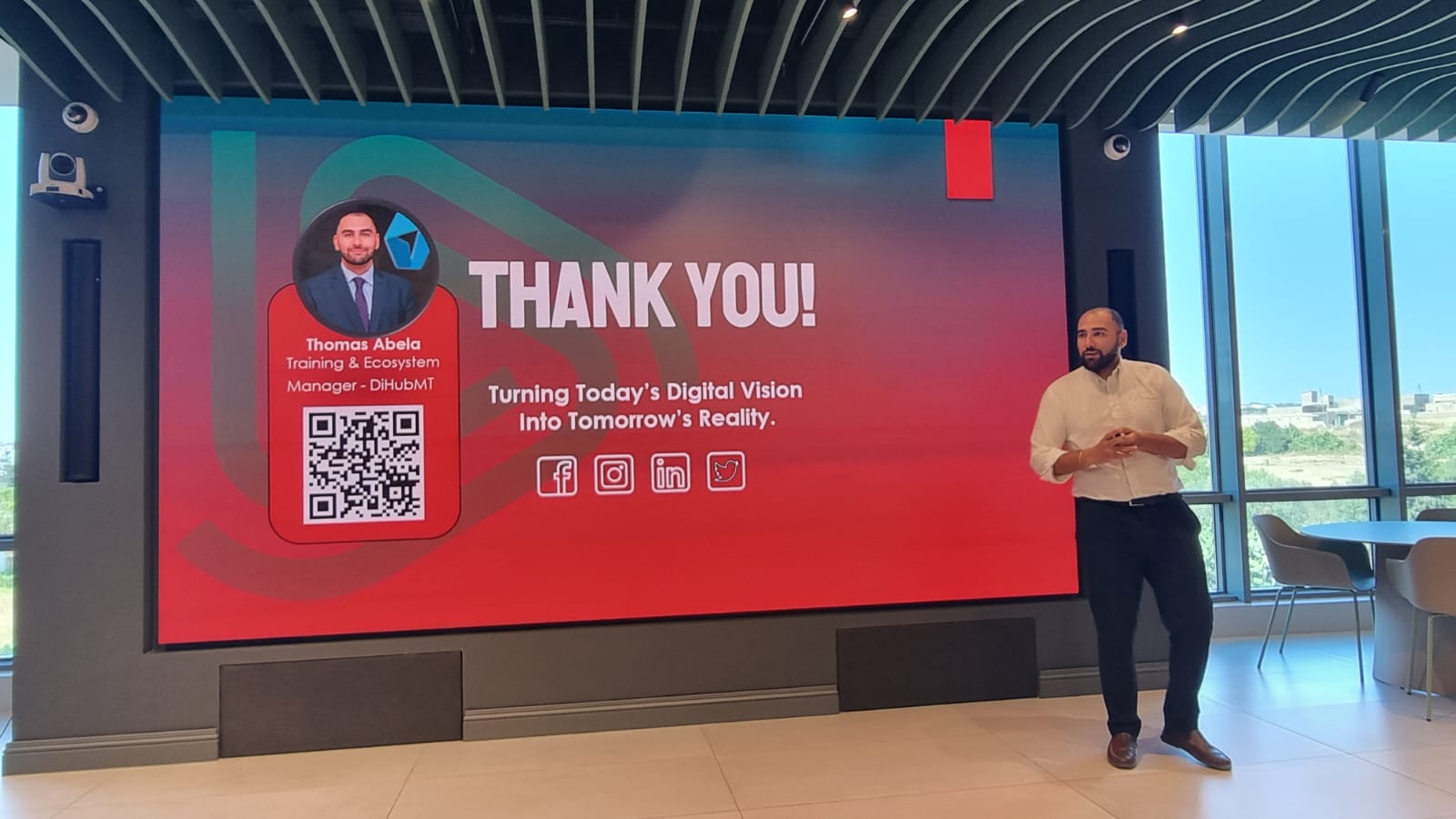
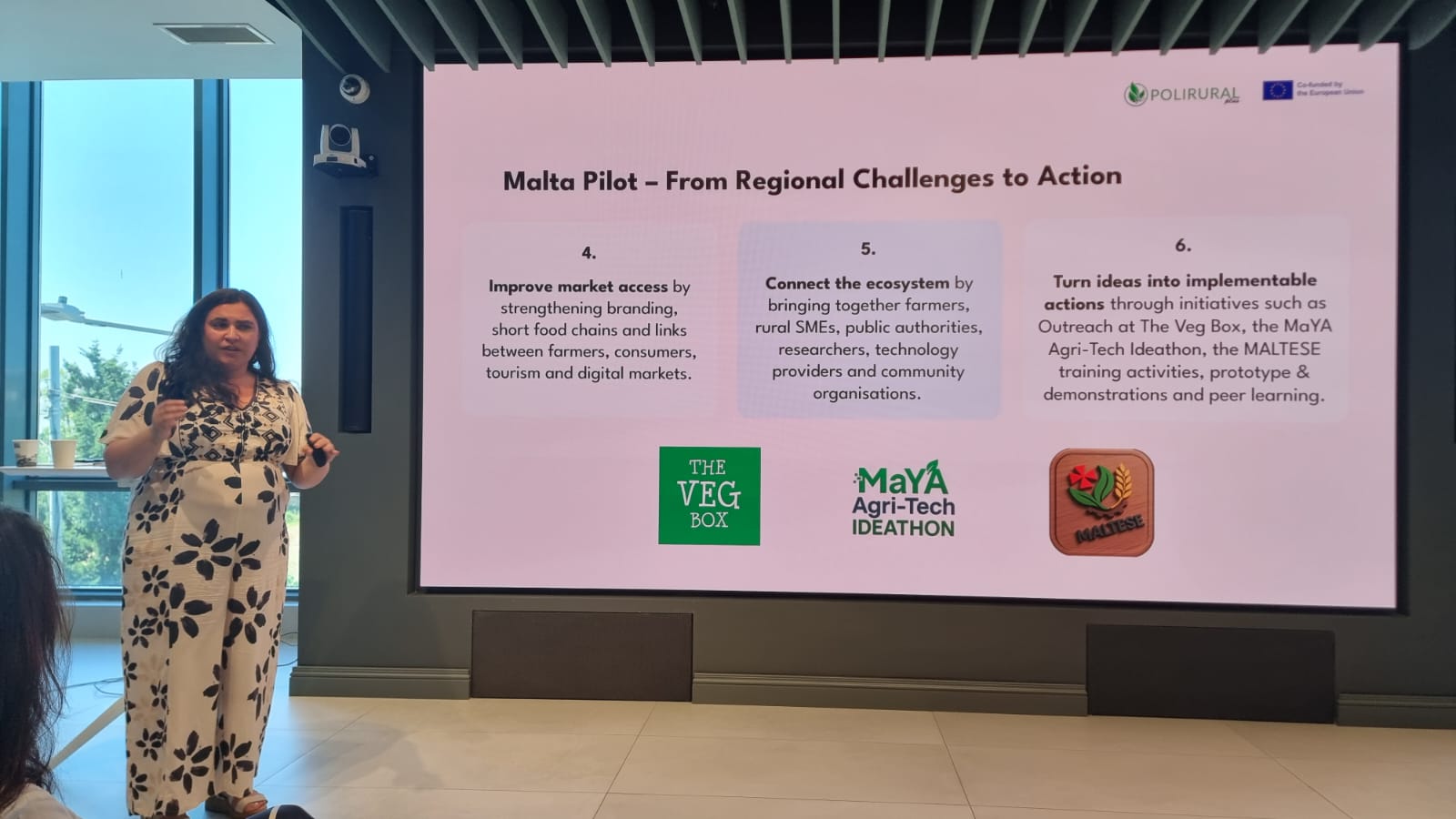
The event was opened by Dr. Eng. Daniel AMARIEI of PAMEA, MALTESE project coordinator, together with Thomas ABELA from MDIA. Maria Elena MUSCAT of AcrossLimits presented the wider PoliRuralPlus Malta pilot context and linked MALTESE to broader rural and digital innovation priorities. Then, Dr. AMARIEI presented the project’s main activities and results, showing how MALTESE combined digital innovation with capacity building, mentoring and practical support for farmers, young entrepreneurs and rural communities.
Gianluca VALENTINO of SEMABLU led the technical session, presenting a live demonstration of the MALTESE digital tools, including the JackDaw GeoAI Chatbot, Map Whiteboard, Rural-Urban E-Market and SMART irrigation-related outputs. The demonstration showed how local data, such as soil, moisture, protected-area and funding information, can support more accessible decision-making for rural users.
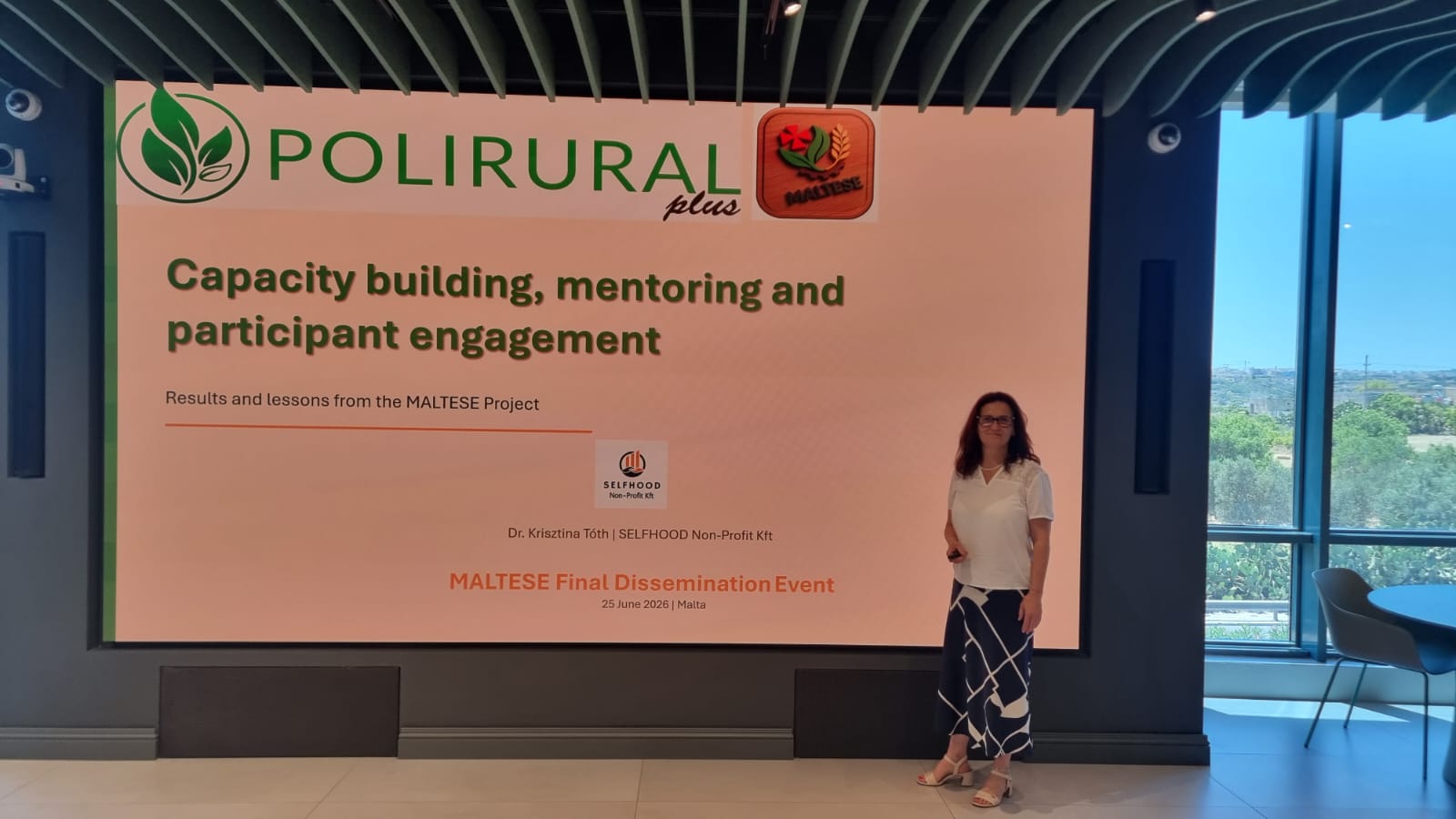
Dr. Krisztina TOTH of SELFHOOD presented the training and mentoring results from the Malta activities. The sessions included digital tool demonstrations, community mapping, circular economy exercises, business model development and pitching preparation.
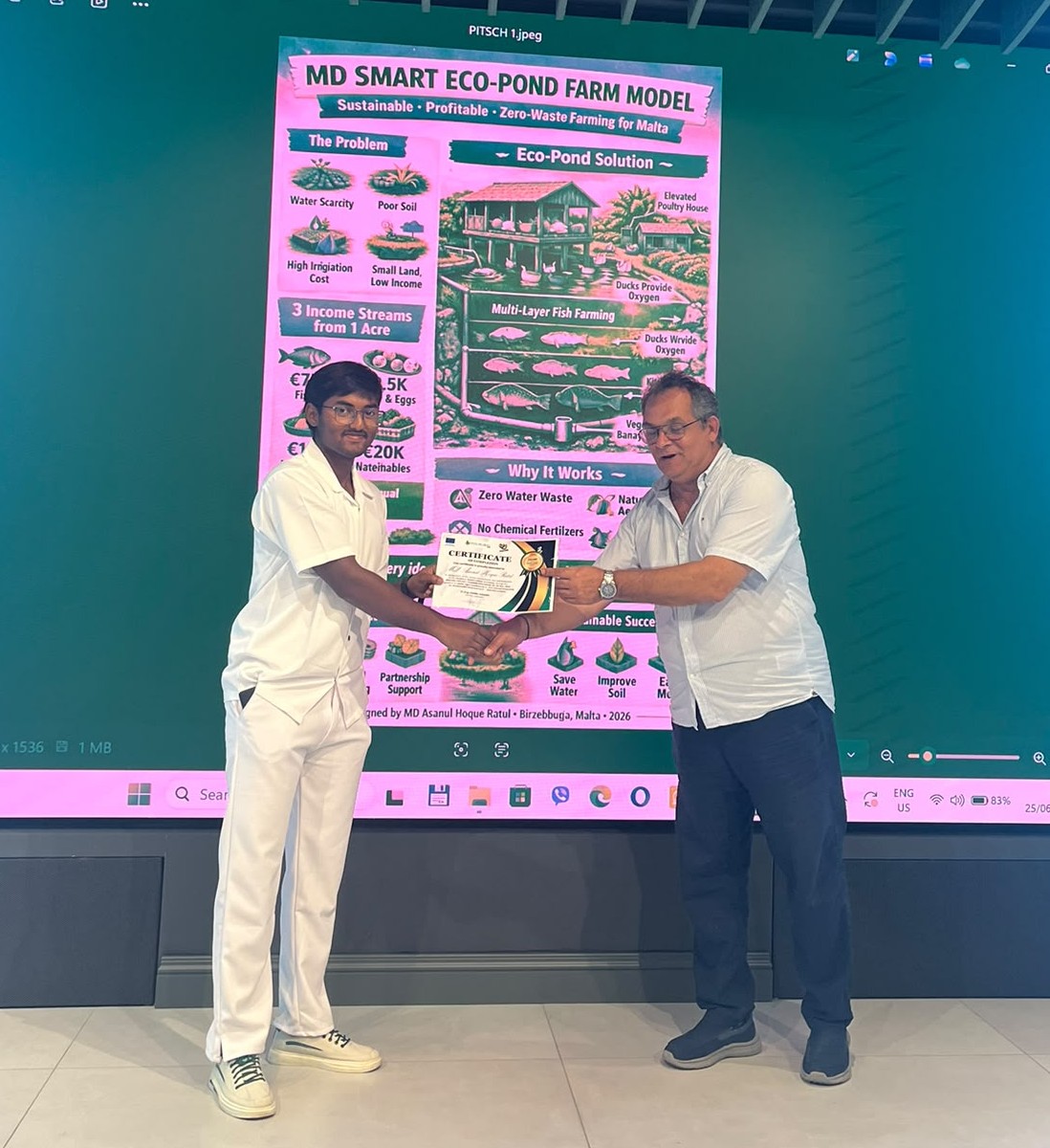
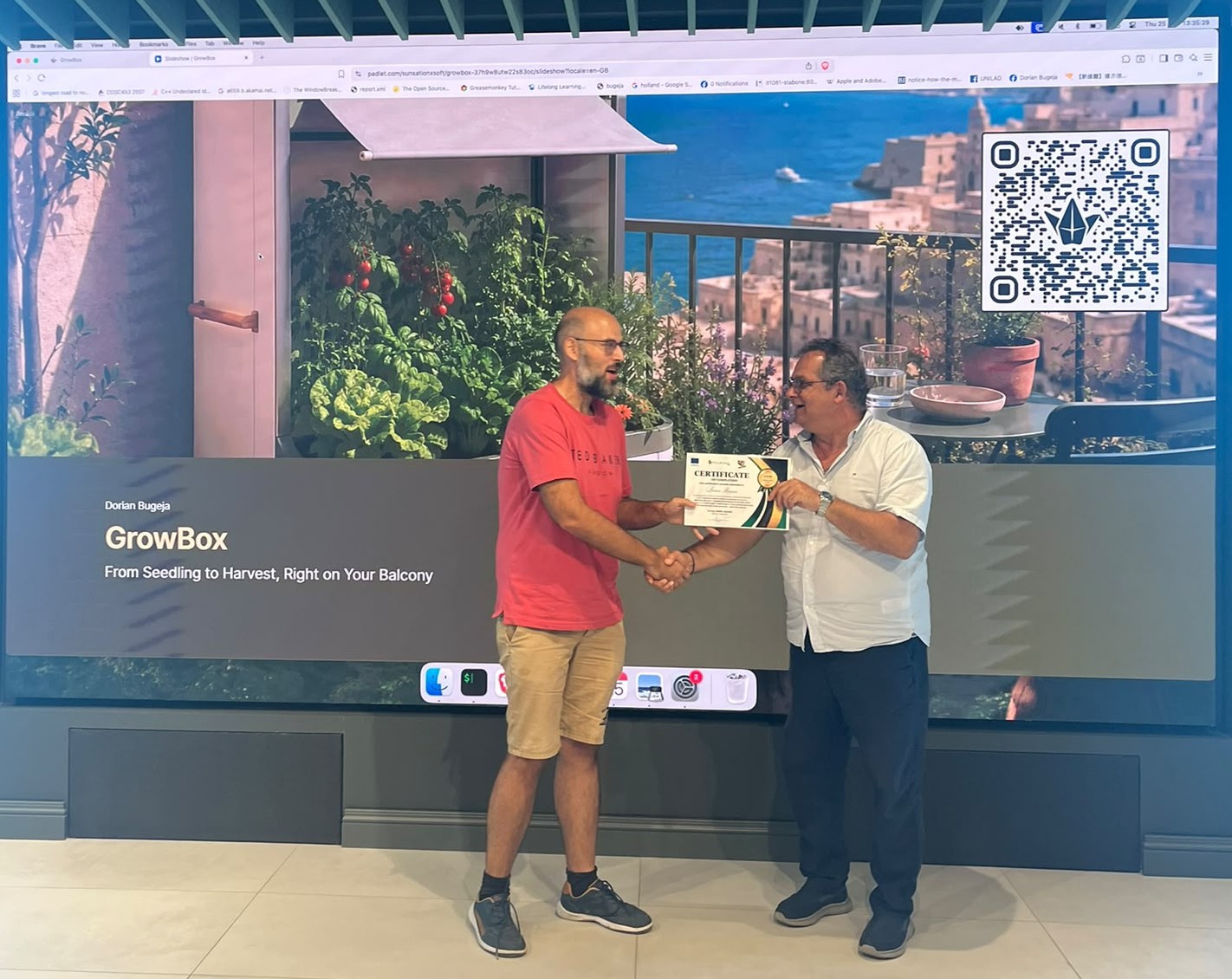
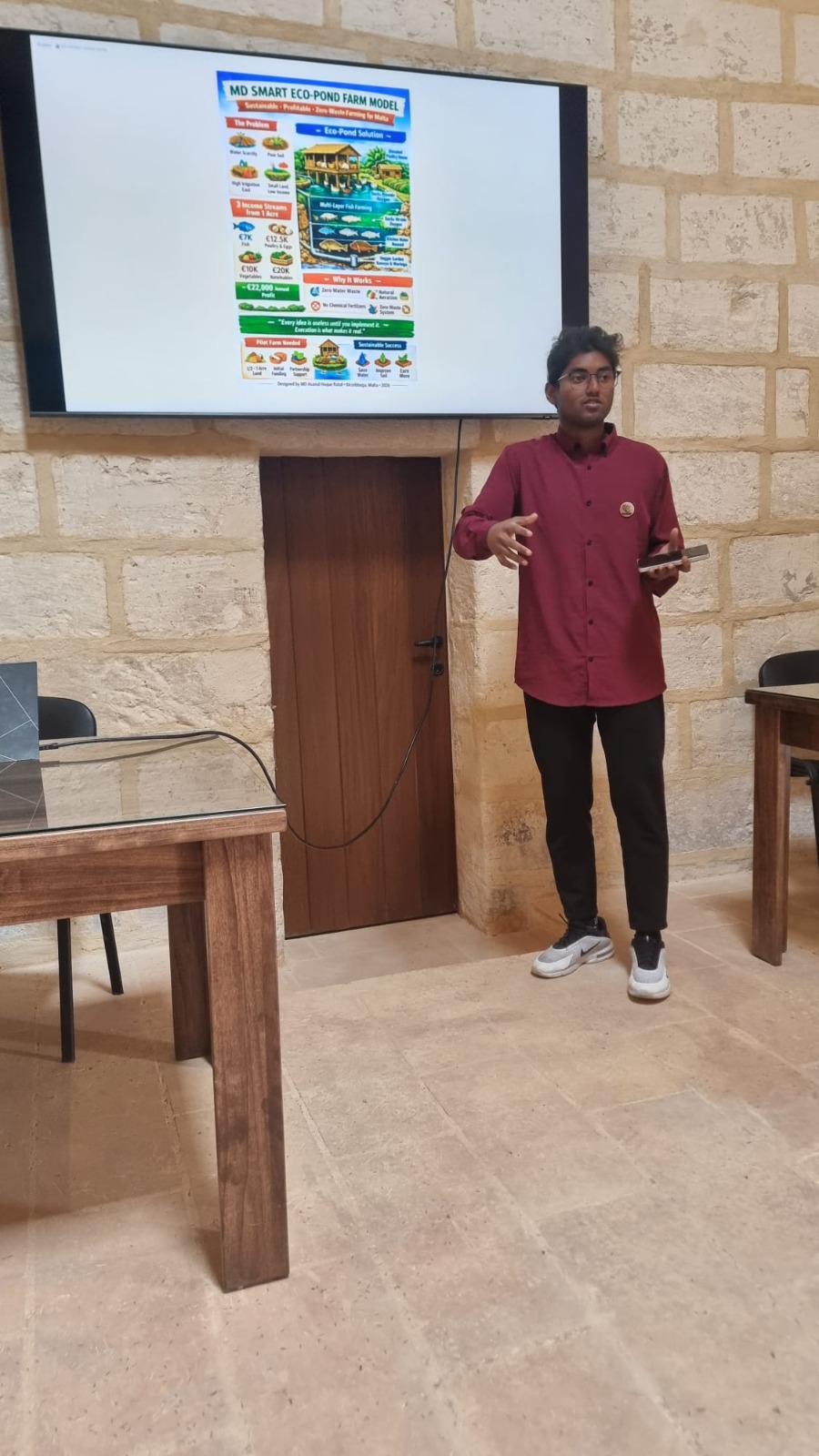
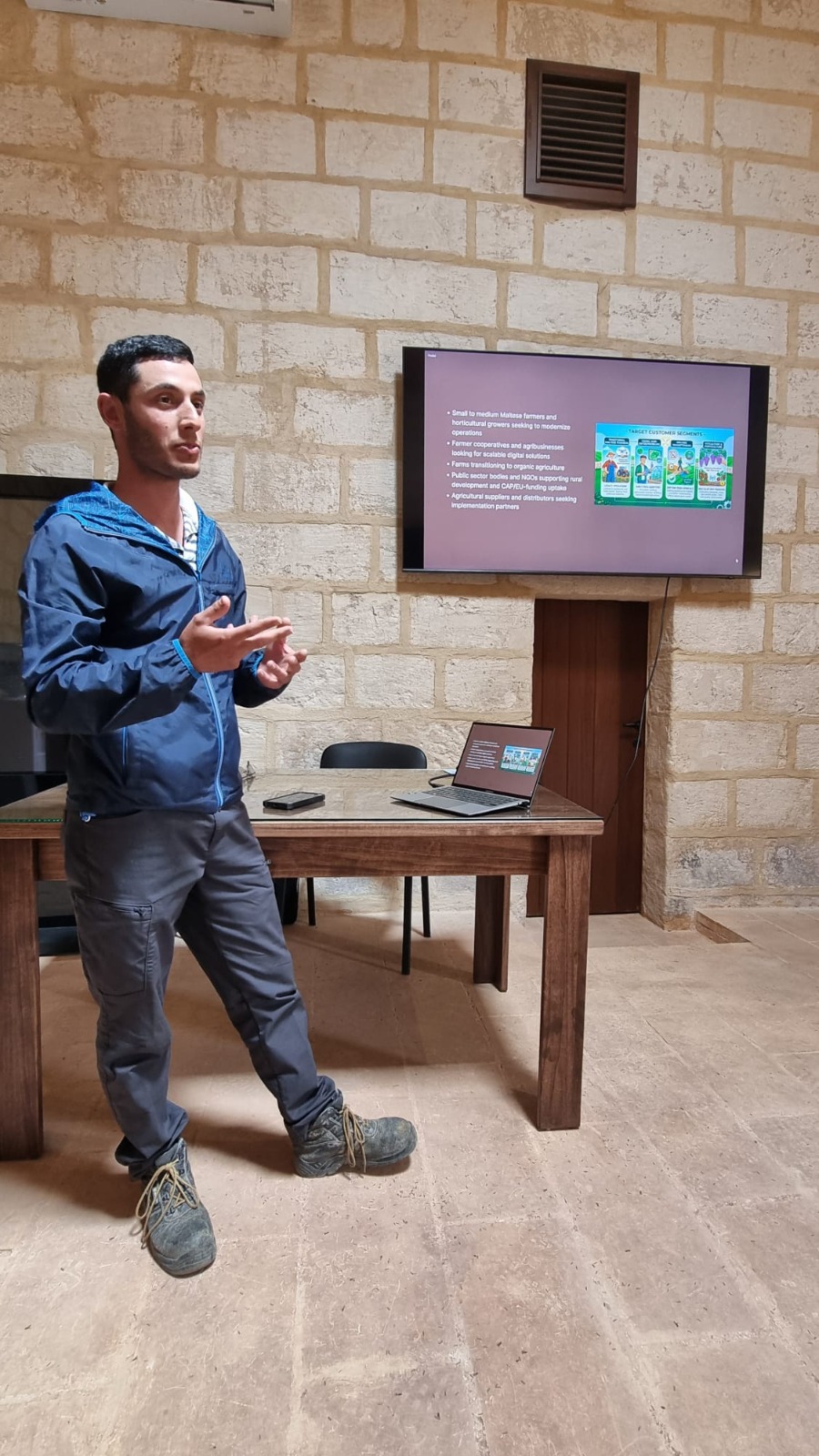
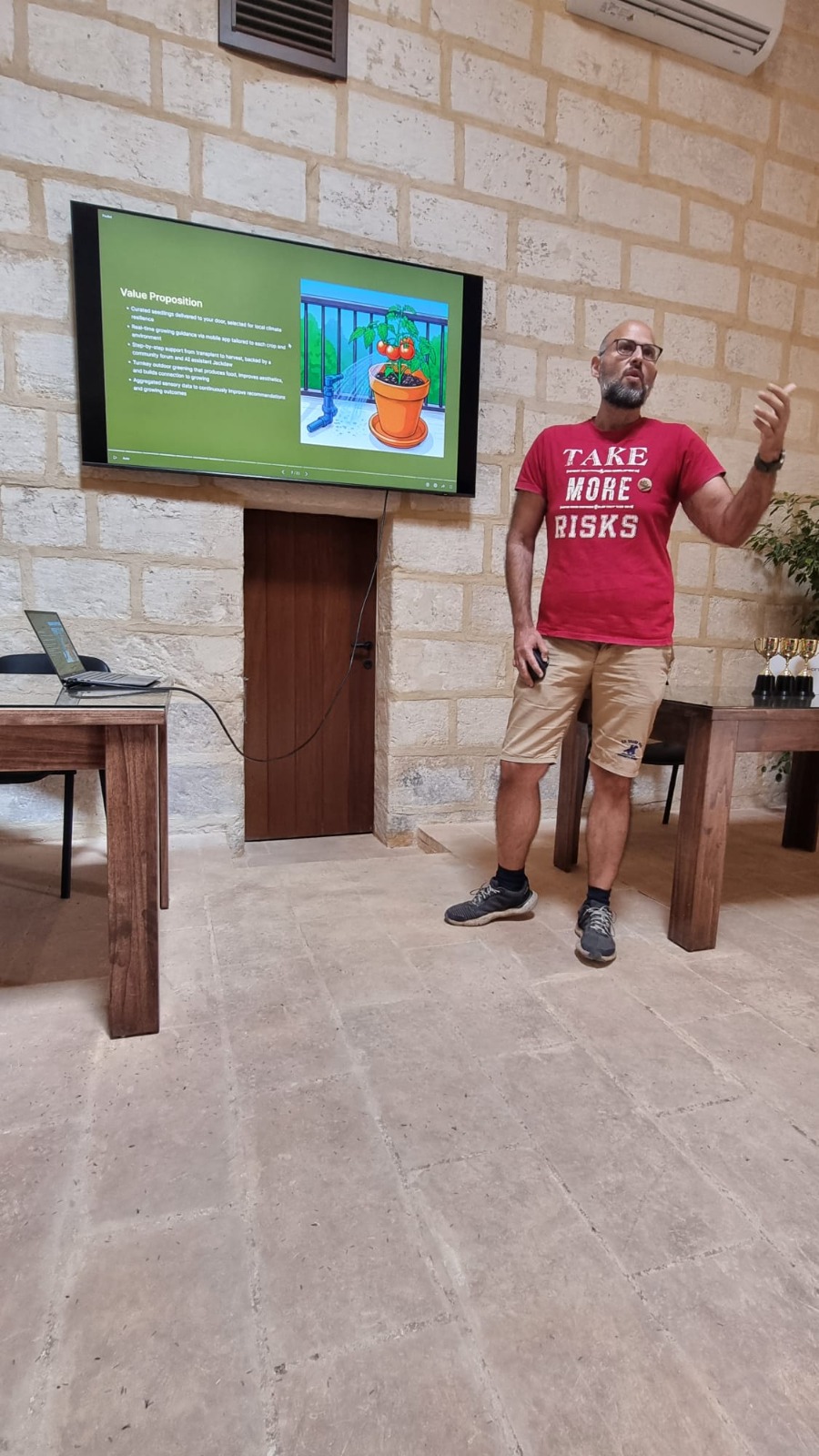
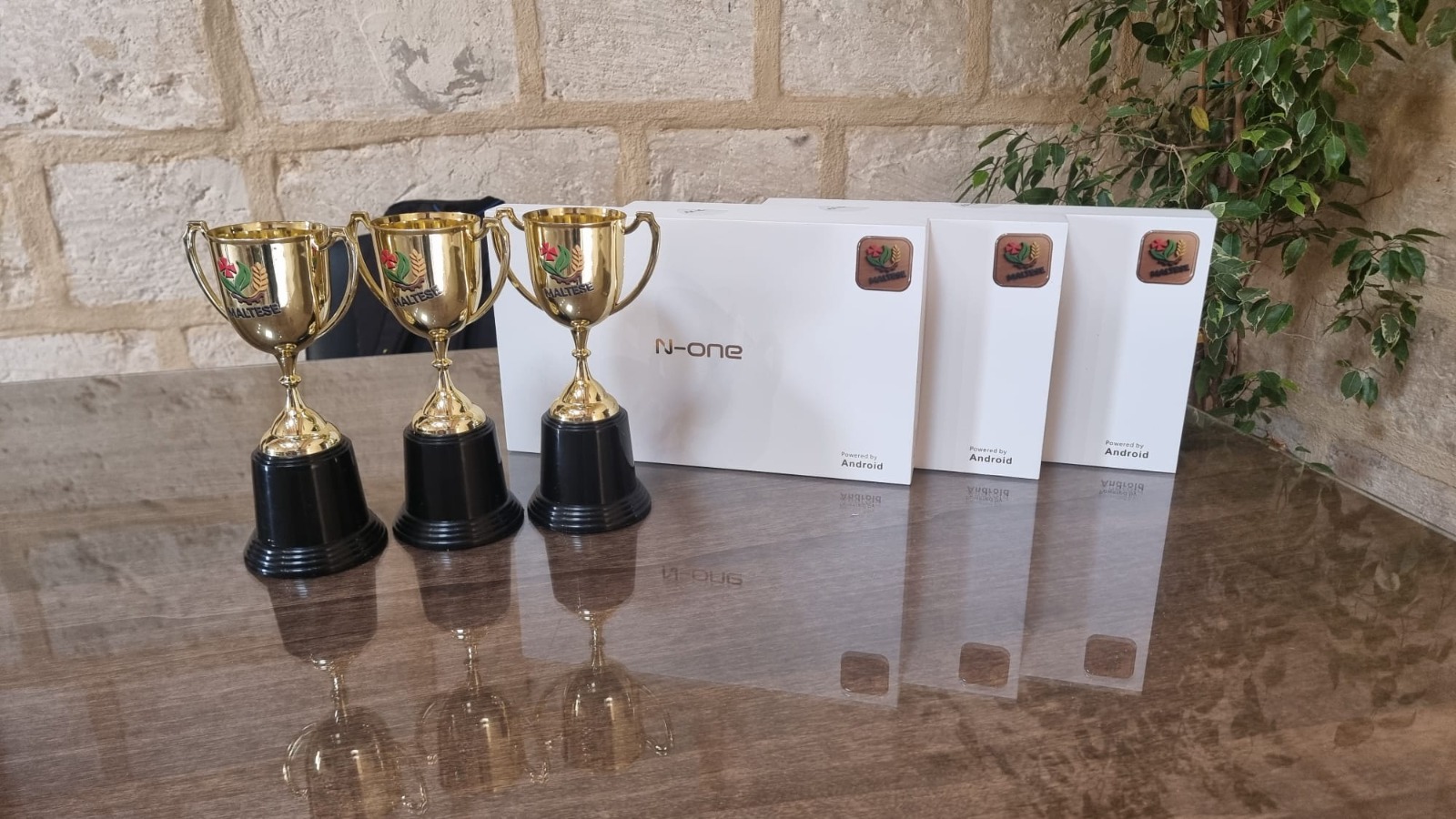
The event also featured short presentations from the MALTESE pitching winners. MD ASANUL HOQUE RATUL presented the MD SMART ECO-POND FARM MODEL, while DORIAN BUGEJA presented GROW BOX. JUSTIN CAMILLERI, the third selected pitching winner, was unable to attend because of illness and sent his apologies. Certificates were handed over during the event.
The stakeholder round table, moderated by Dr. AMARIEI, focused on what MALTESE leaves behind for rural Malta. Participants highlighted that low interest among some farmers is linked to limited incentives, skills gaps and lack of confidence. They also stressed the need to introduce agriculture, sustainability, entrepreneurship and digital literacy from an early age.
The event concluded that MALTESE leaves behind a practical pathway for connecting local data, digital tools, training, mentoring and stakeholder dialogue. Future work should focus on local ownership, continued engagement, education, incentives and long-term use of the project results.
Keywords/tags: MALTESE, rural innovation, Malta, digital agriculture, PoliRuralPlus
Meta description: MALTESE final event in Malta presented digital tools, training results, participant pitches and next steps for rural innovation.
PoliRuralPlus has received funding from the European Union’s Horizon Europe research and innovation programme under Grant Agreement No. 101136910. Views and opinions expressed are however those of the author(s) only and do not necessarily reflect those of the European Union or the European Research Executive Agency. Neither the European Union nor the granting authority can be held responsible for them.
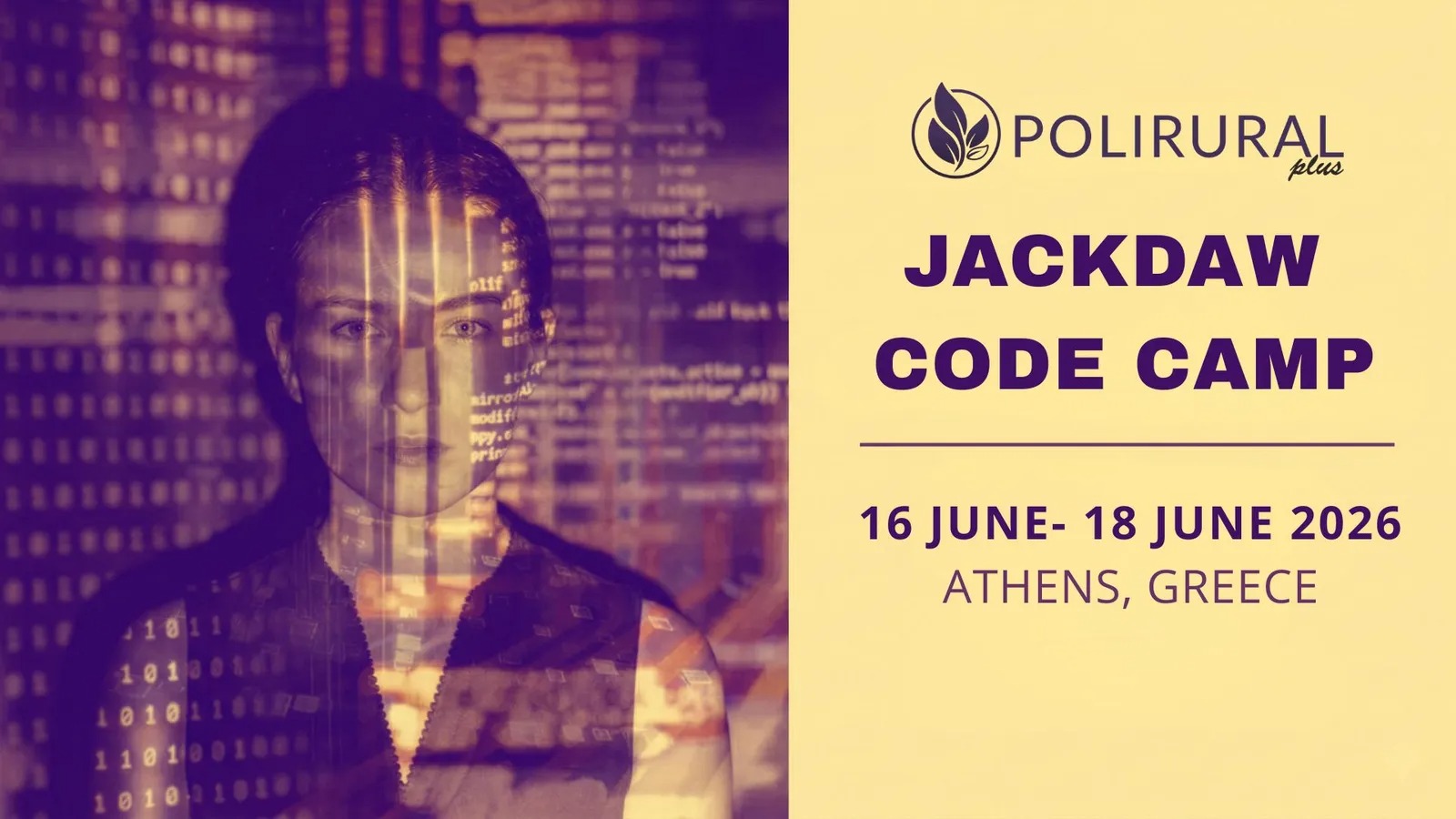
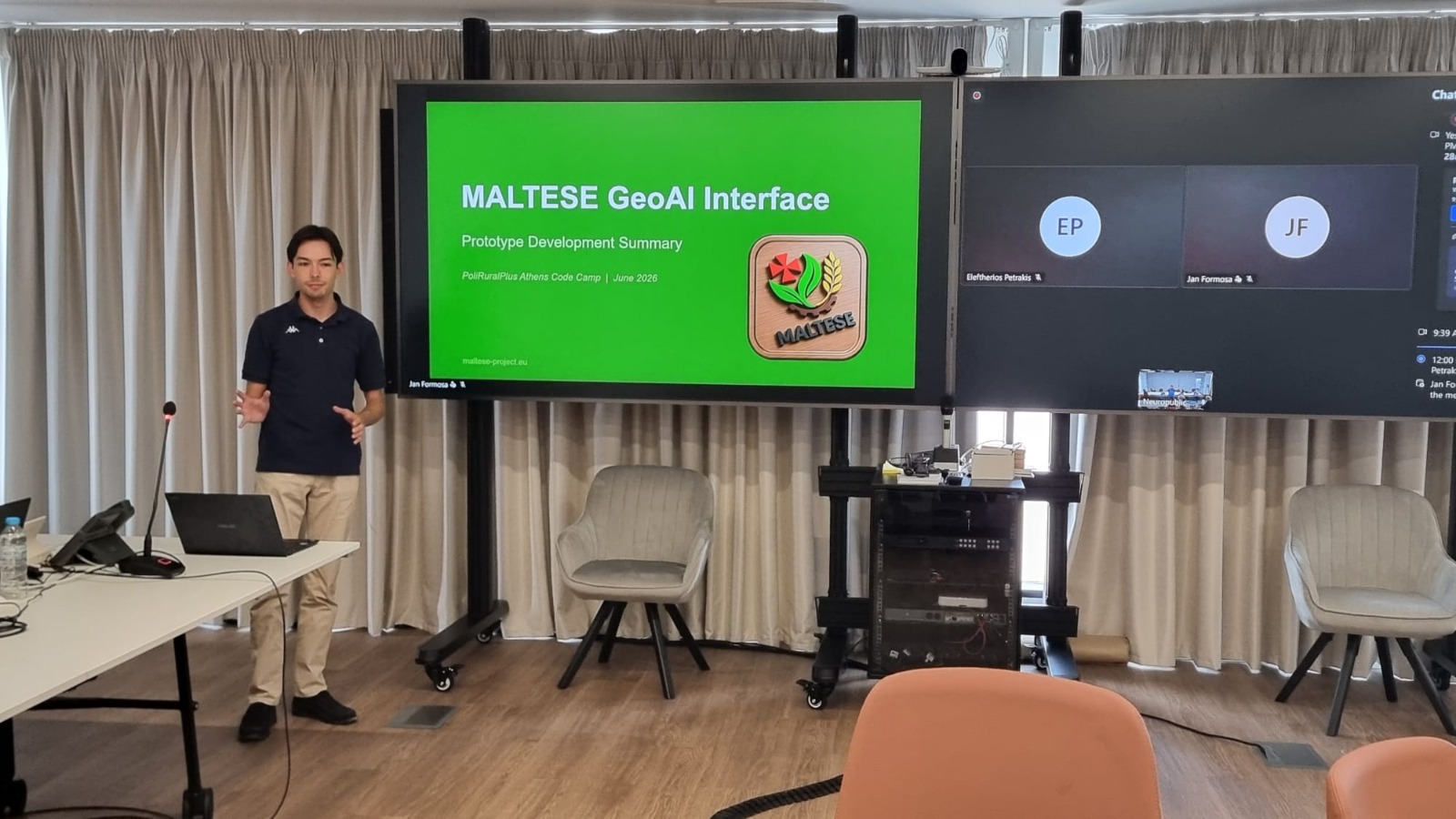
MALTESE project participated in the PoliRuralPlus JackDaw Code Camp, held in Athens, Greece, from 16 to 18 June 2026.
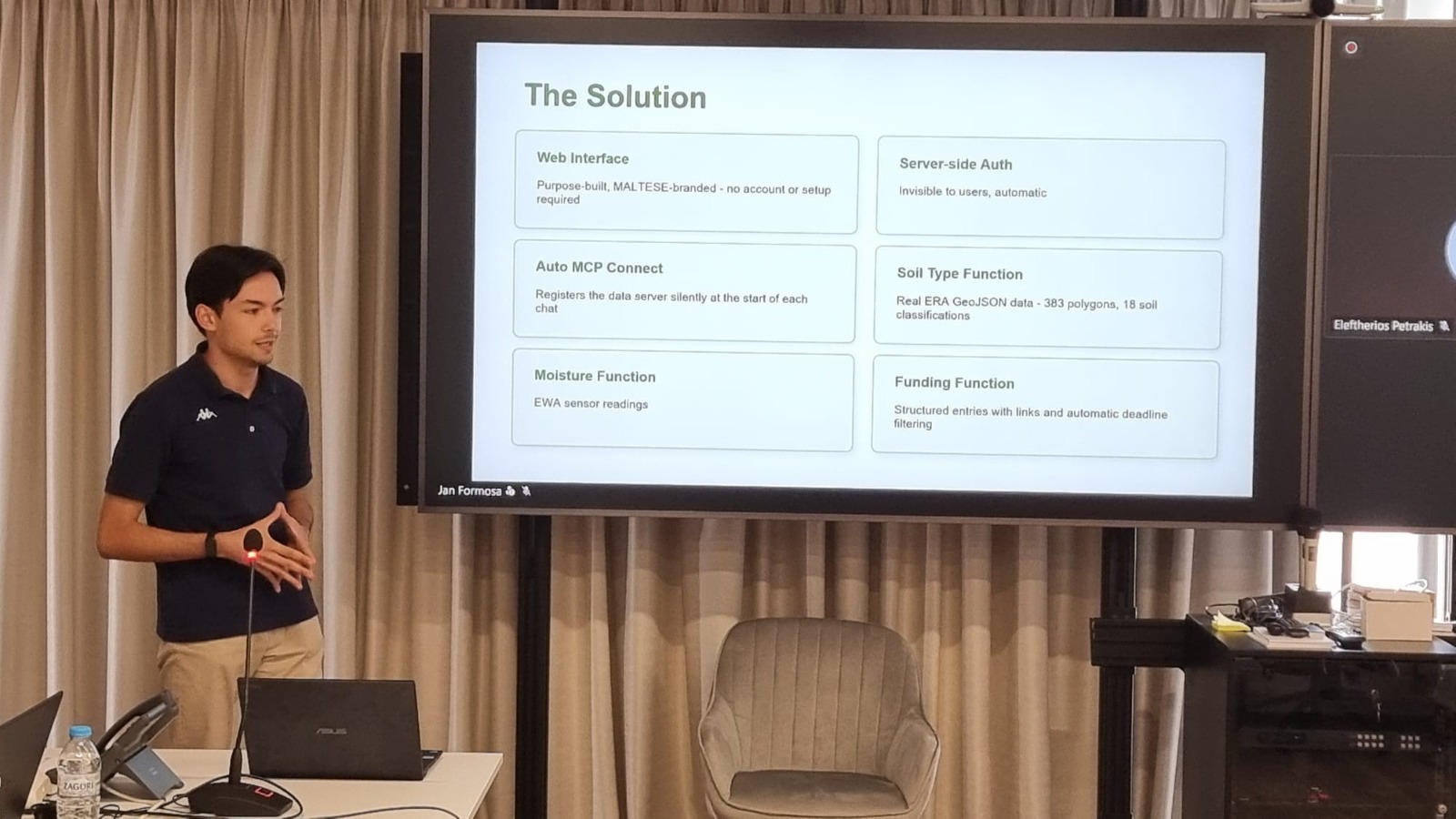
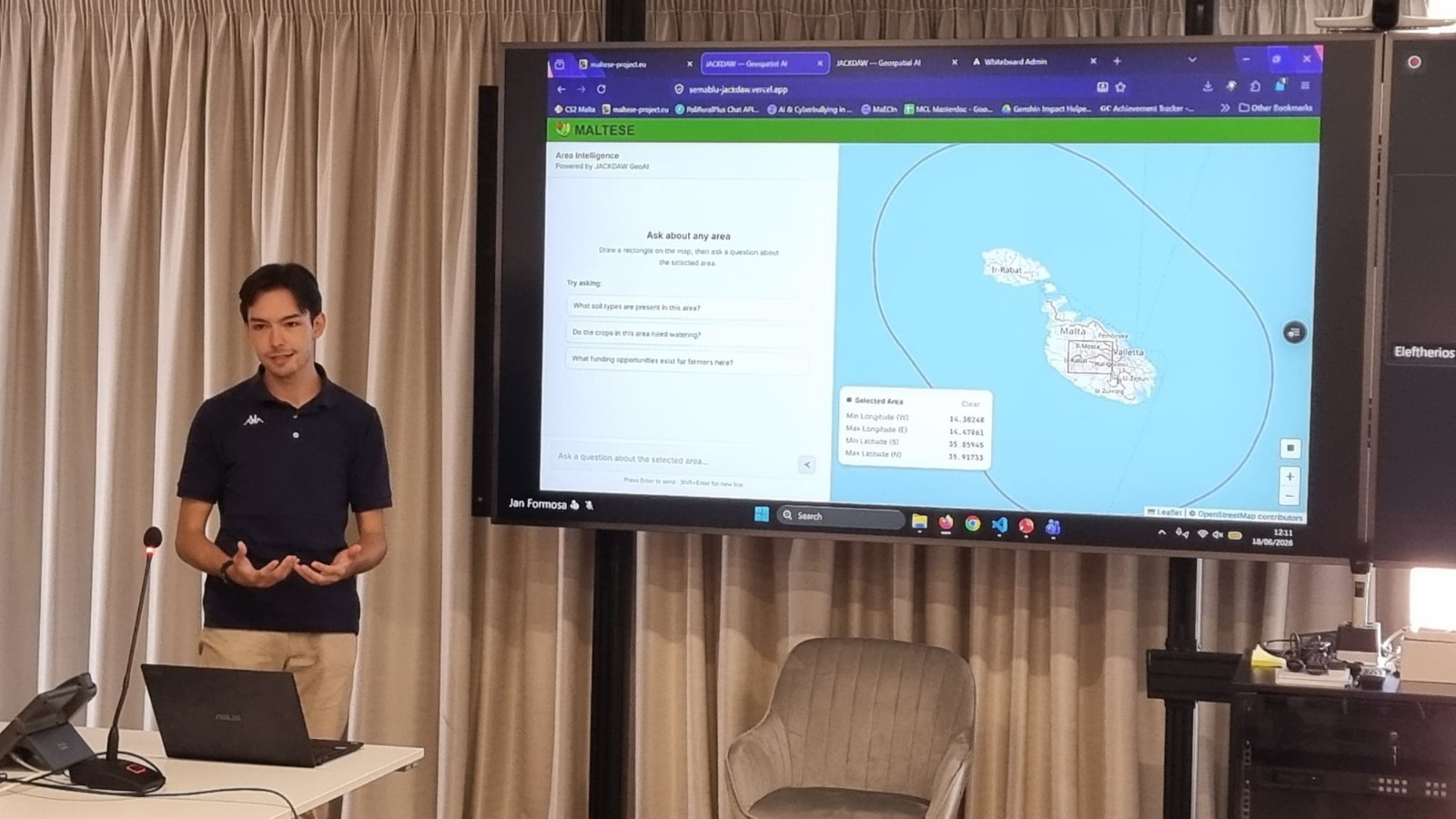
MALTESE was represented by Dr. Eng. Daniel AMARIEI from PAMEA and Jan FORMOSA from SEMABLU. Their participation offered the project team the opportunity to engage in a highly interactive working environment, exchange knowledge with technical partners and other participants, and contribute to discussions on the further development of digital tools and pilot-oriented solutions.
The Athens Code Camp focused on the PoliRuralPlus digital ecosystem, with particular attention to the JackDaw GeoLLM platform, data integration, RAG and GeoRAG workflows, and support for pilot applications. The event created a practical setting where participants could work together, explore technical options, and identify improvements for ongoing project developments.
For the MALTESE project, the event represented a valuable opportunity to present and further reflect on the developed prototype, while identifying possible improvements for its next stages of development. The collaborative format allowed the project representatives to gather input, discuss technical needs, and strengthen the alignment of the prototype with relevant digital innovation approaches.Participation in the Athens Code Camp marks an important step in MALTESE’s ongoing work to develop practical and user-oriented solutions. Further updates will follow with more detailed information on the project’s contribution, lessons learned, and the improvements identified during the event.
PoliRuralPlus has received funding from the European Union’s Horizon Europe research and innovation programme under Grant Agreement No. 101136910. Views and opinions expressed are however those of the author(s) only and do not necessarily reflect those of the European Union or the European Research Executive Agency. Neither the European Union nor the granting authority can be held responsible for them.
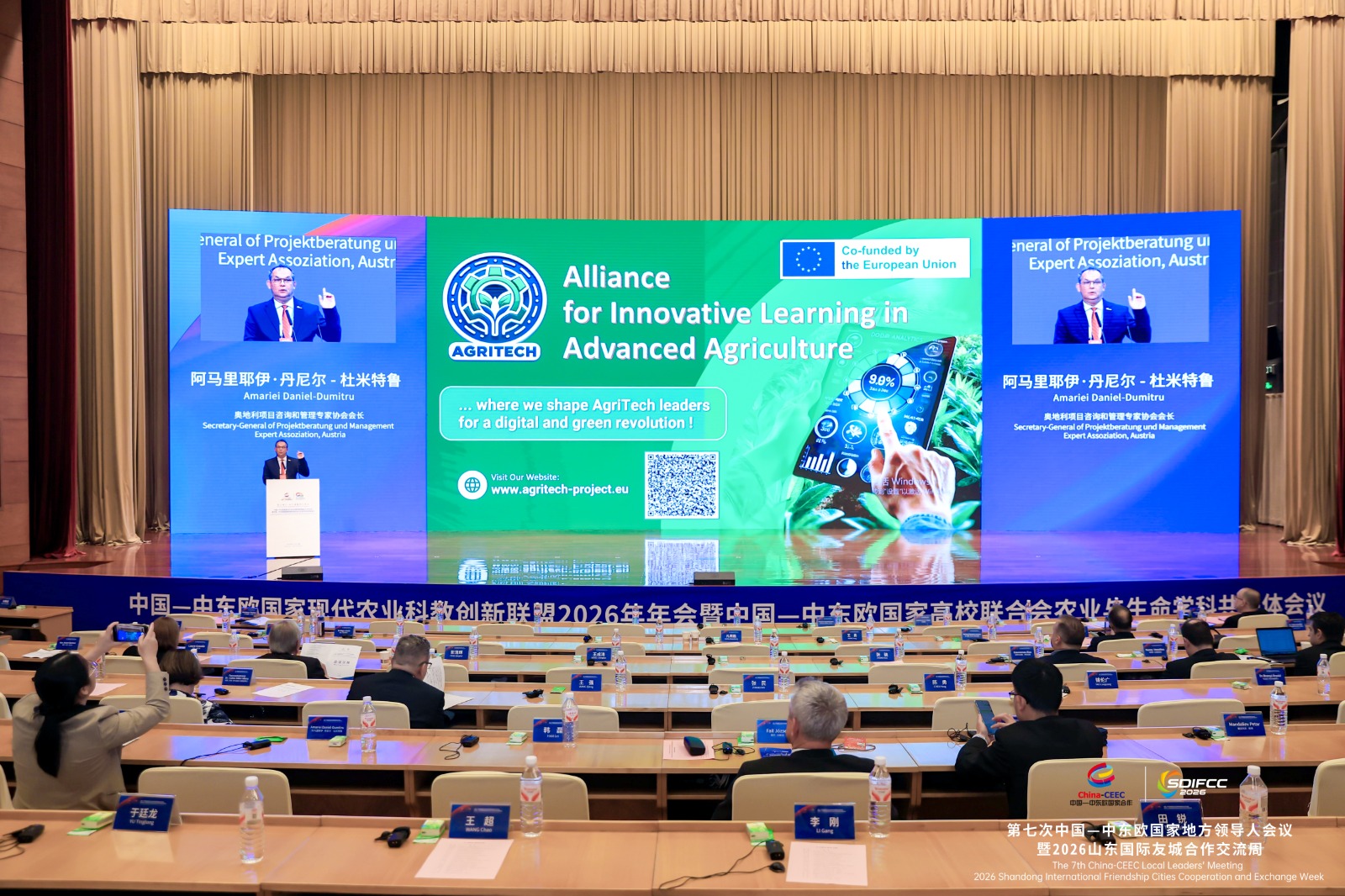
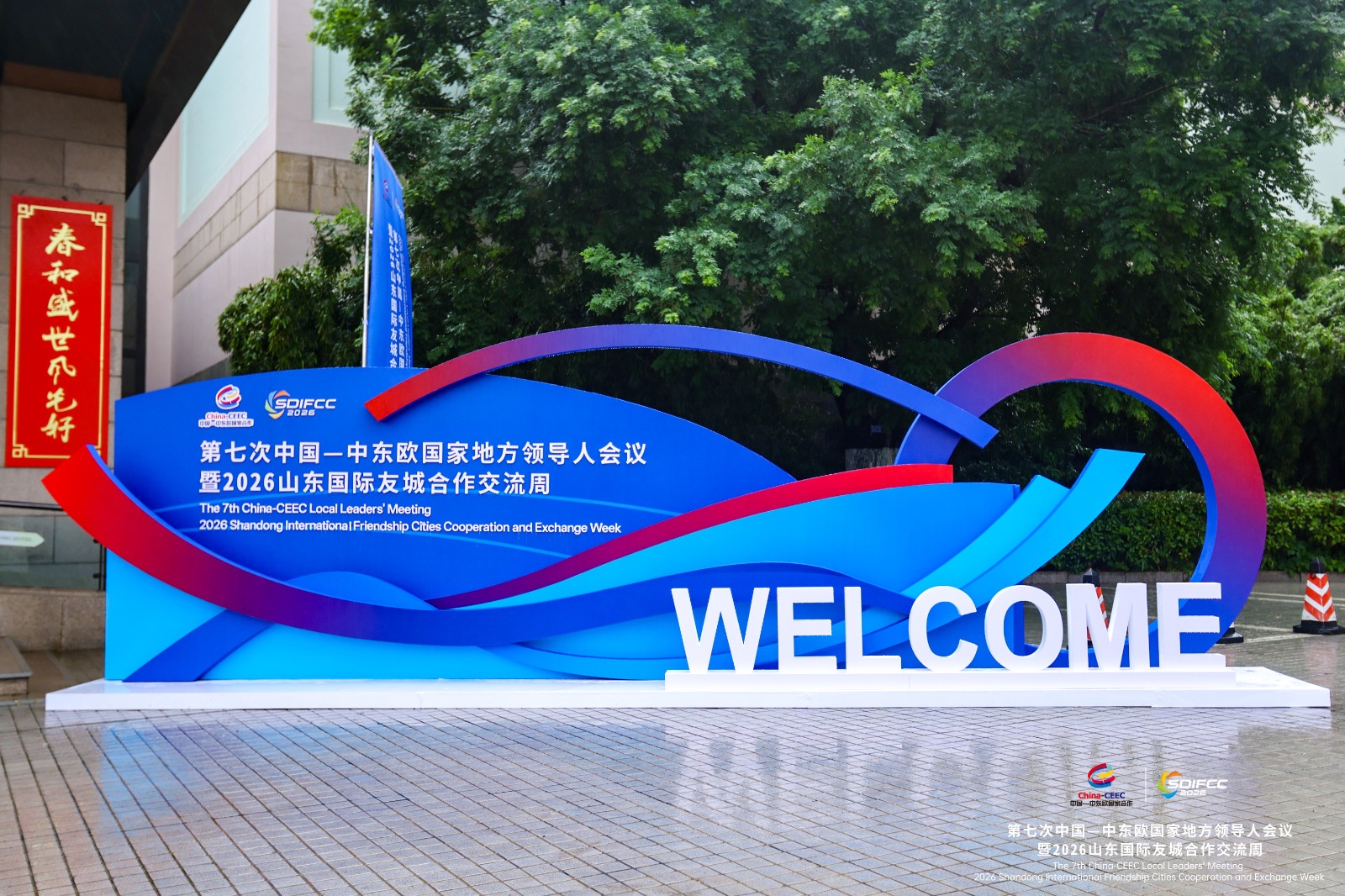
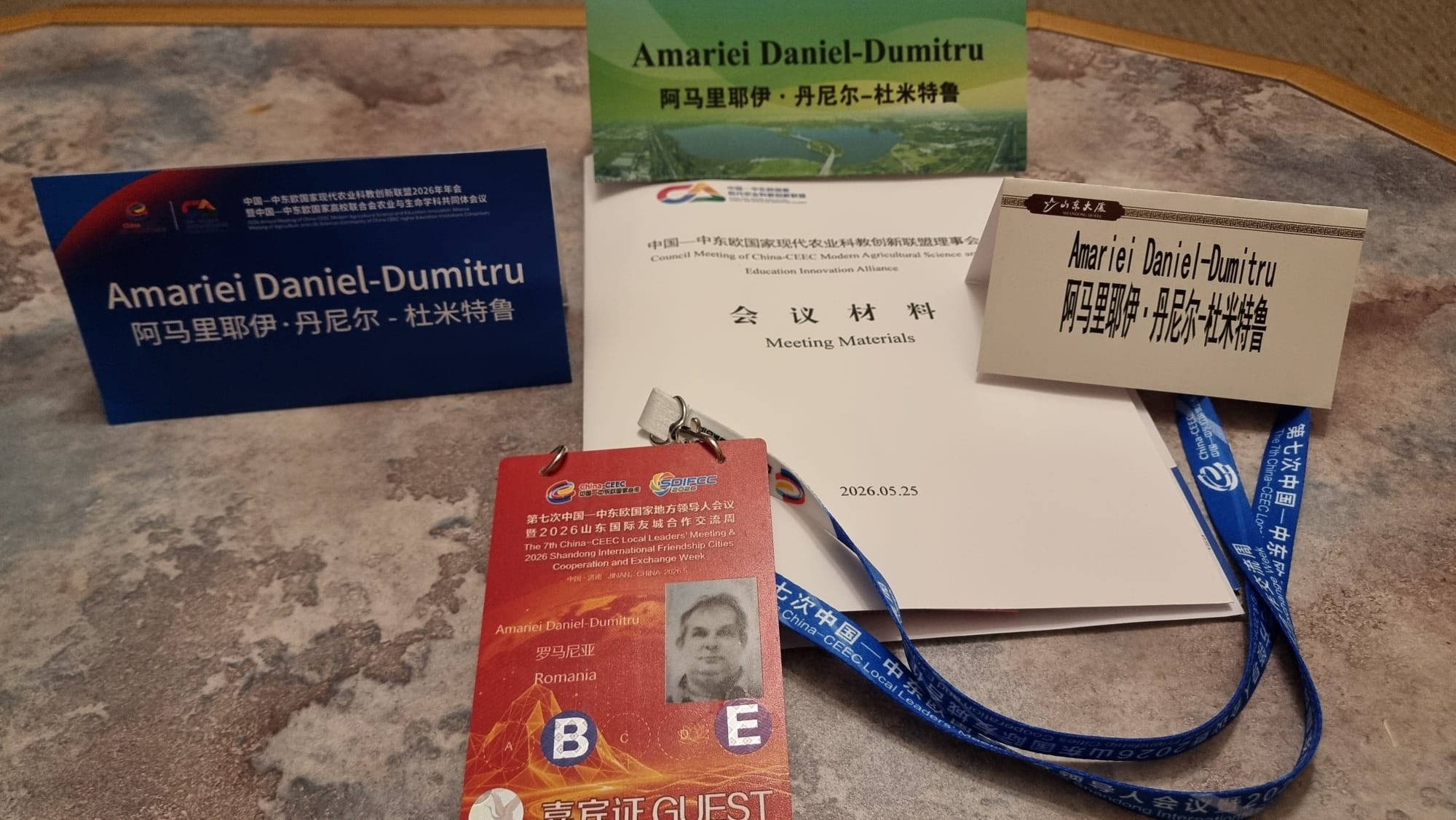
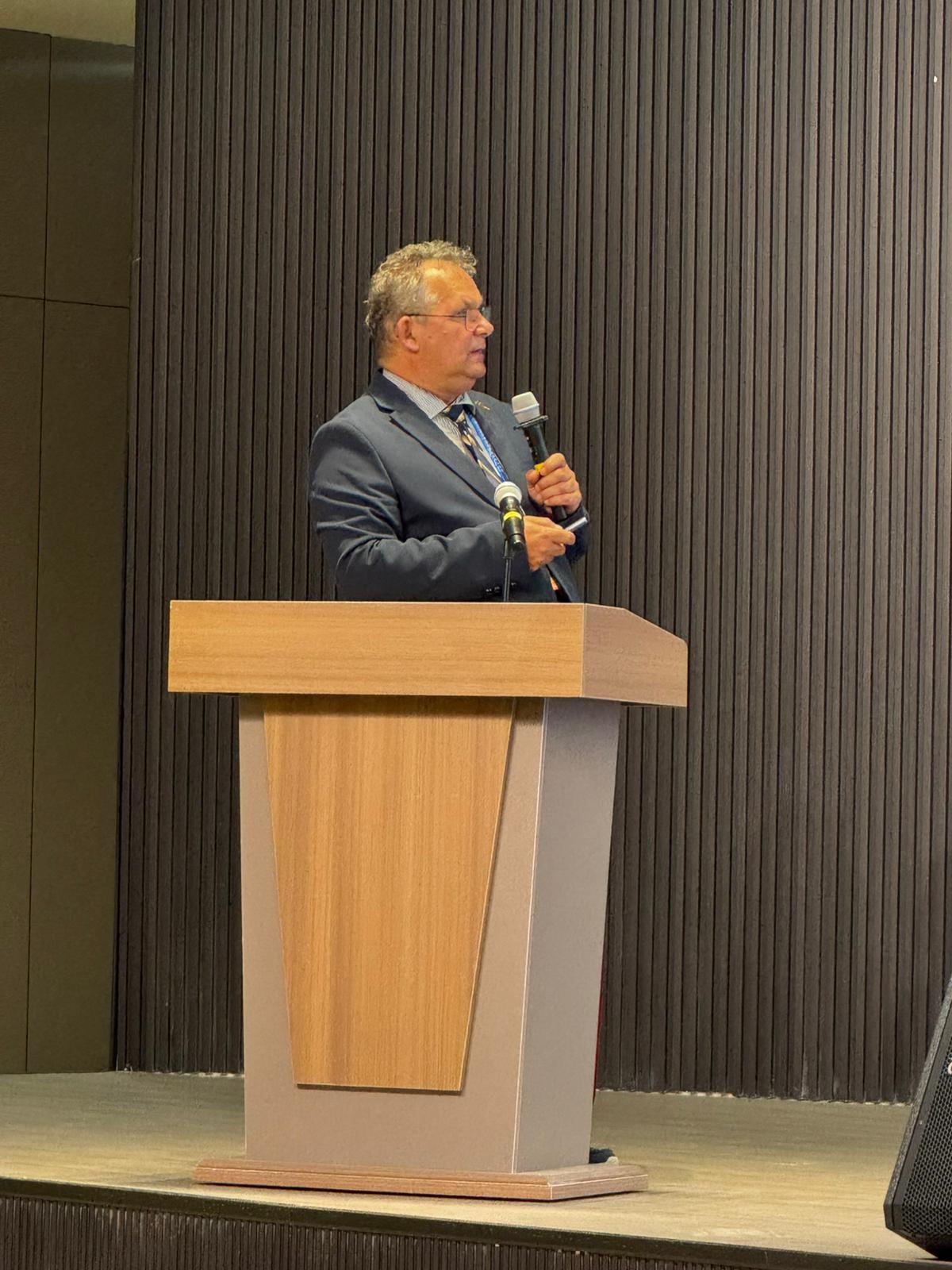
PAMEA participated in The 7th China-Central and Eastern European Countries Local Leaders’ Meetingand the 2026 Shandong International Friendship Cities Cooperation and Exchange Week, held in Jinan, Shandong Province, China.
The event brought together representatives of local authorities, universities, research institutions, companies, and international organisations from China and Central and Eastern European countries. The programme included conferences, institutional meetings, networking sessions, and exchanges focused on cooperation, innovation, education, agriculture, sustainability, and regional development.
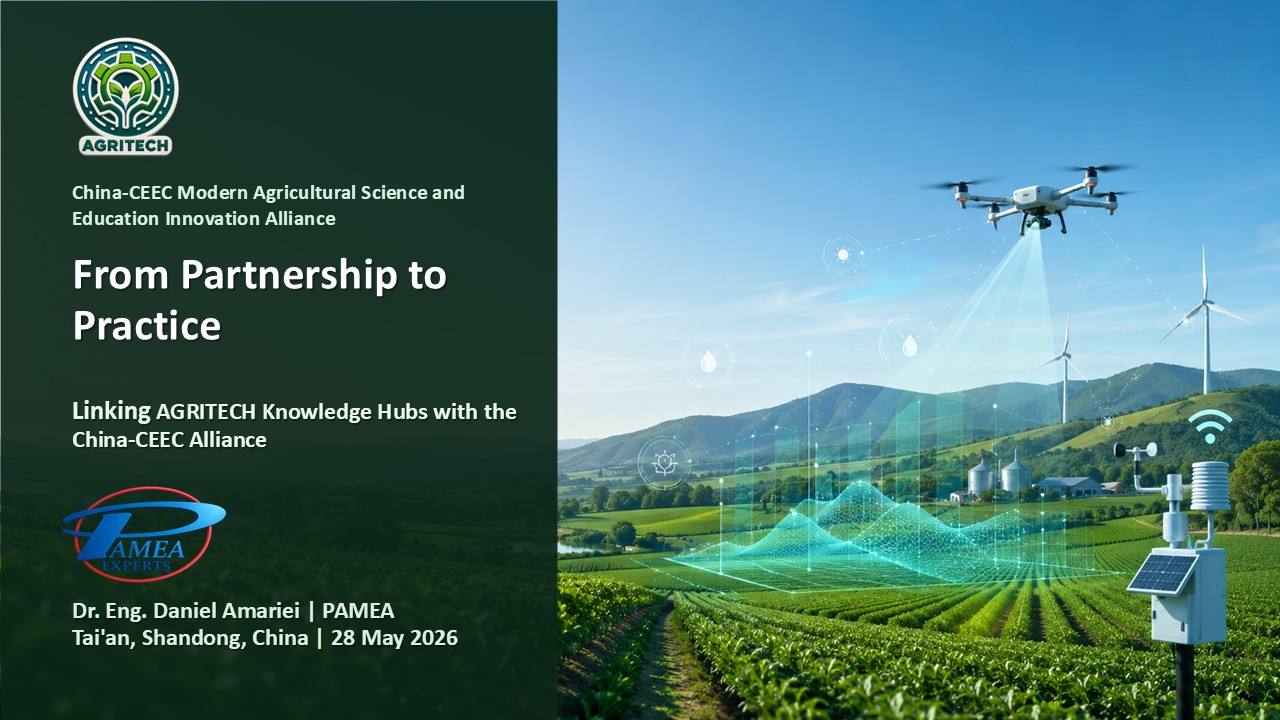
PAMEA was represented by Dr.Eng.Amariei Daniel-Dumitru, Secretary-General of the organisation. During the event, PAMEA contributed not only on behalf of the organisation itself, also as a representative of the AGRITECH project, promoting its objectives, cooperation potential, and relevance for innovation in agriculture, education, and digital transformation.
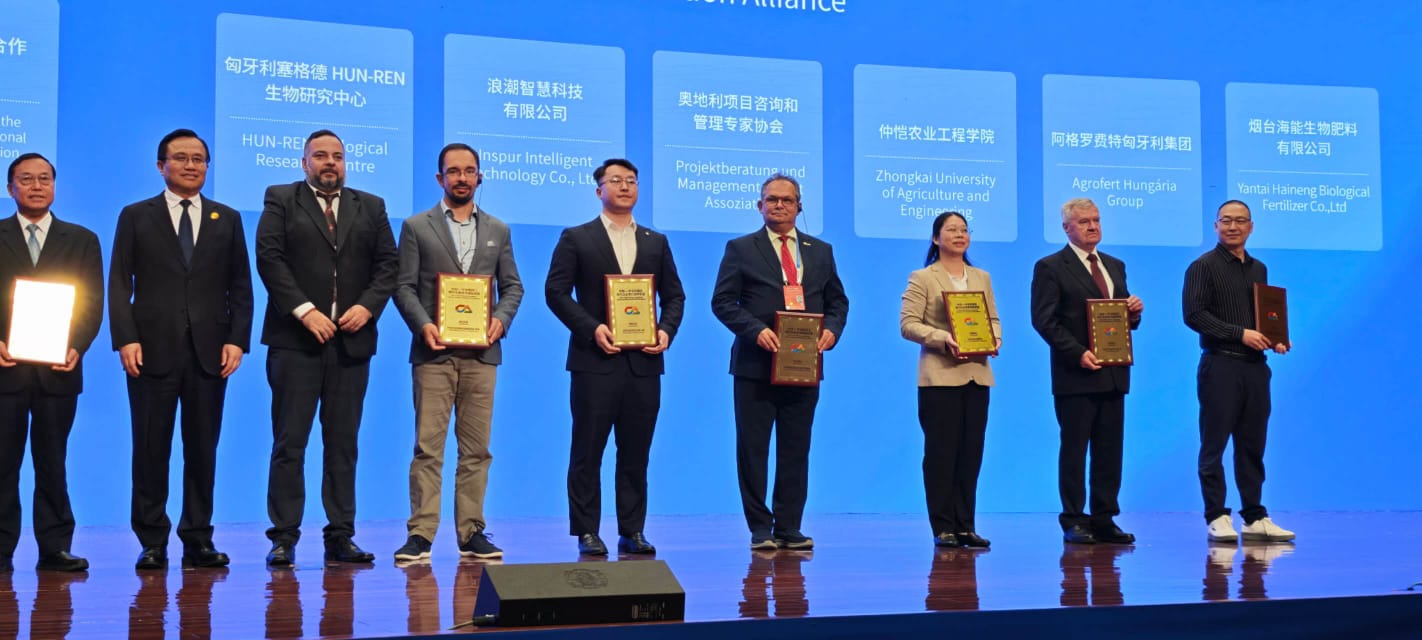
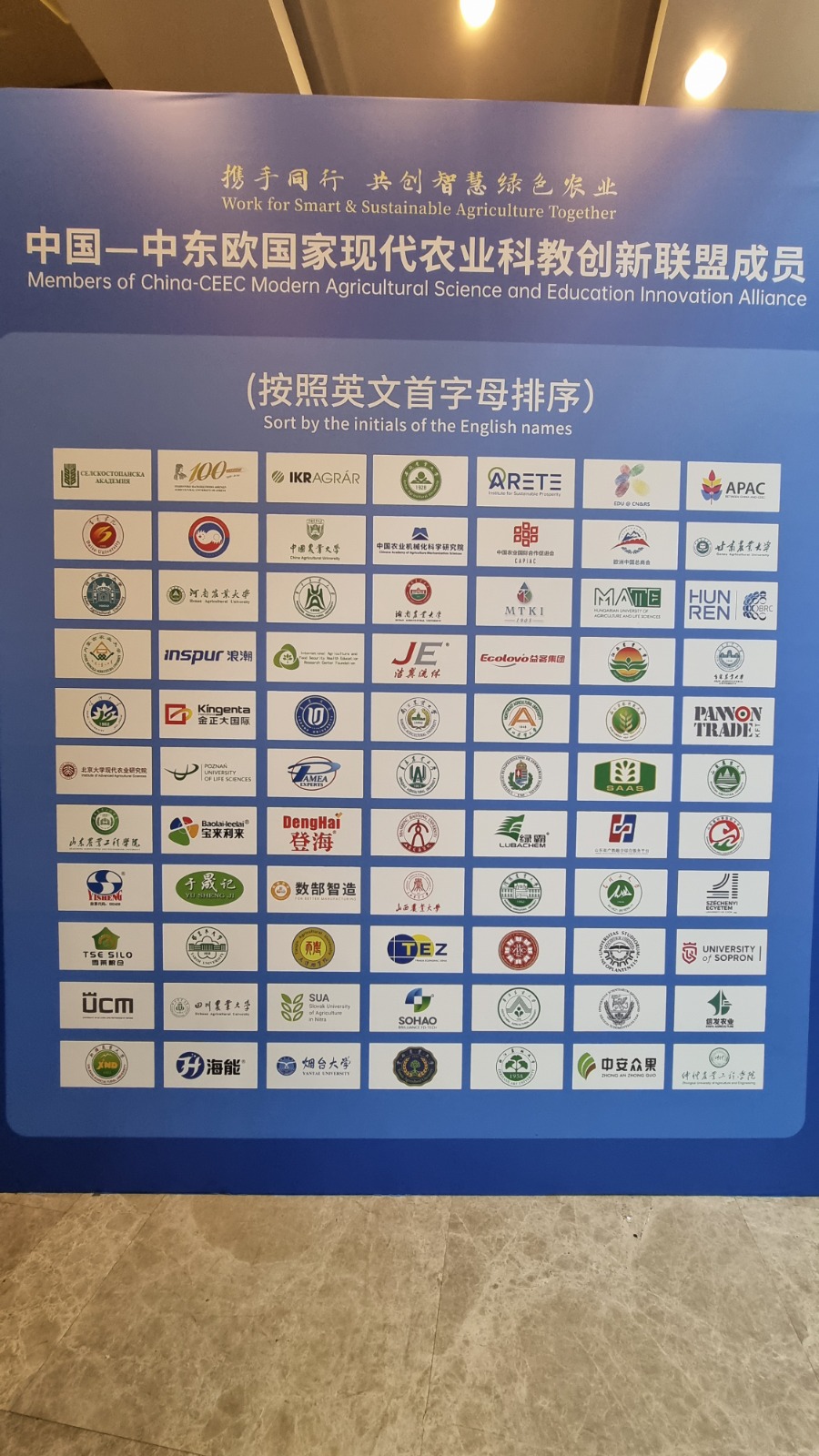
A major achievement of the visit was the election of PAMEA as a Council Member of the China-CEEC Modern Agricultural Science and Education Innovation Alliance. This recognition confirms PAMEA’s growing role in international cooperation and strengthens its position within a wider network of institutions active in agricultural innovation, education, sustainability, and knowledge exchange.
Through this participation, PAMEA expanded its international visibility, strengthened institutional links with Chinese and Central and Eastern European partners, and opened new opportunities for future cooperation connected to the AGRITECH project and broader areas of strategic interest.
PAMEA warmly thanks the organisers, hosts, and partner institutions for their excellent coordination, generous hospitality, and commitment to building practical cooperation between China and Central and Eastern Europe.
More information and photos from the event are available here: https://live.photoplus.cn/live/pc/38729274/#/live
PoliRuralPlus has received funding from the European Union’s Horizon Europe research and innovation programme under Grant Agreement No. 101136910. Views and opinions expressed are however those of the author(s) only and do not necessarily reflect those of the European Union or the European Research Executive Agency. Neither the European Union nor the granting authority can be held responsible for them.
From 5 to 8 May 2026, PAMEA contributed to the organisation and delivery of the MALTESE training programme in Malta, hosted at the National Viticulture & Oenology Centre in Ħad-Dingli.
The four-day training marked an important implementation step for MALTESE, moving the project from technical preparation into direct engagement with participants, practical demonstrations, and hands-on work around rural innovation.
The activity brought together participants interested in agriculture, rural entrepreneurship, digitalisation, sustainability, and local development. Through a mix of live demonstrations, workshops, group exercises and mentoring sessions, the training explored how digital tools can support rural communities and create stronger links between local producers, entrepreneurs and urban markets.
A central part of the programme was the presentation and testing of the MALTESE Digital Prototype. Participants were introduced to three core tools: the JackDaw GeoAI Chatbot, the Map Whiteboard, and the Rural-Urban E-Market platform.
The JackDaw GeoAI Chatbot was explored as a tool for advisory support, crop guidance, funding-related questions and location-based information. The Map Whiteboard supported collaborative mapping, visual planning and stakeholder engagement. The Rural-Urban E-Market platform introduced participants to producer profiles, product listing logic, market access and short supply chain opportunities.
Beyond the digital tool demonstrations, the training focused on practical rural development challenges. Participants worked on community mapping, identified local assets and bottlenecks, discussed circular economy practices, explored sustainable agri-business ideas, and reflected on how smarter resource use can support farming and rural entrepreneurship.
PAMEA led and supported key parts of the programme, including the prototype overview, circular agri-business logic, SMART irrigation and resource efficiency discussions, business model development, mentoring and final pitch preparation. These sessions helped participants move from general ideas to more structured concepts that could respond to real local needs.
The final day focused on coaching, business model refinement and presentation preparation. Participants developed and presented their ideas, received feedback, and took part in the closing session, which included certificates, participant recognition and final reflections.
The training confirmed one of the core ideas behind MALTESE: digital transformation in rural areas needs to be practical, accessible and connected to the people who are expected to use it. Tools alone are not enough. They need to be explained, tested, adapted and discussed with farmers, young people, entrepreneurs, educators and local stakeholders.
PAMEA thanks all participants for their active involvement, questions and contributions throughout the training. Their engagement helped turn the programme into a meaningful learning and testing environment for rural innovation in Malta.
PAMEA also acknowledges the strong collaboration with SEMABLU and SELFHOOD, as well as the valuable support of AcrossLimits, the PoliRuralPlus partner for Malta. This cooperation helped connect the MALTESE training with the wider PoliRuralPlus framework and with local priorities for digital and green transition.
Following the Malta training, MALTESE will continue working on prototype refinement, stakeholder engagement, dissemination and final demonstration activities. The results and feedback collected during the training will support the next steps of the project and contribute to broader lessons for rural and small-island regions across Europe.
MALTESE is implemented as a cascade project connected to the PoliRuralPlus Malta pilot. Through its activities, the project aims to support rural digital skills, entrepreneurship, circular economy thinking and stronger rural-urban connections in Malta.
The project PoliRuralPlus has received funding from the European Union’s Horizon Europe research and innovation programme under grant agreement No 101136910.
DisclaimerViews and opinions expressed are, however, those of the author(s) only and do not necessarily reflect those of the European Union or the European Research Executive Agency (REA). Neither the European Union nor the granting authority can be held responsible for them.
PoliRuralPlus has received funding from the European Union’s Horizon Europe research and innovation programme under Grant Agreement No. 101136910. Views and opinions expressed are however those of the author(s) only and do not necessarily reflect those of the European Union or the European Research Executive Agency. Neither the European Union nor the granting authority can be held responsible for them.
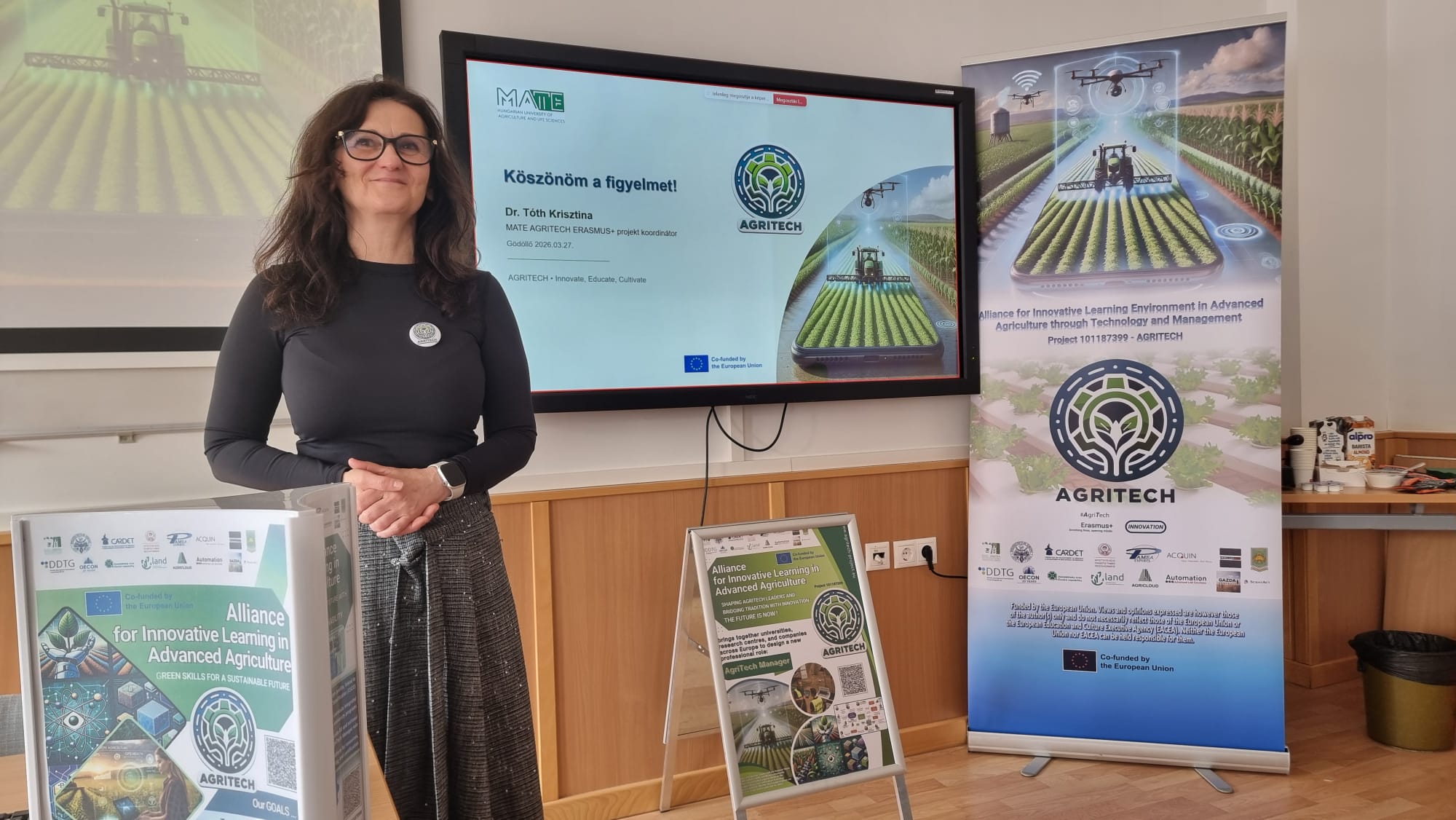
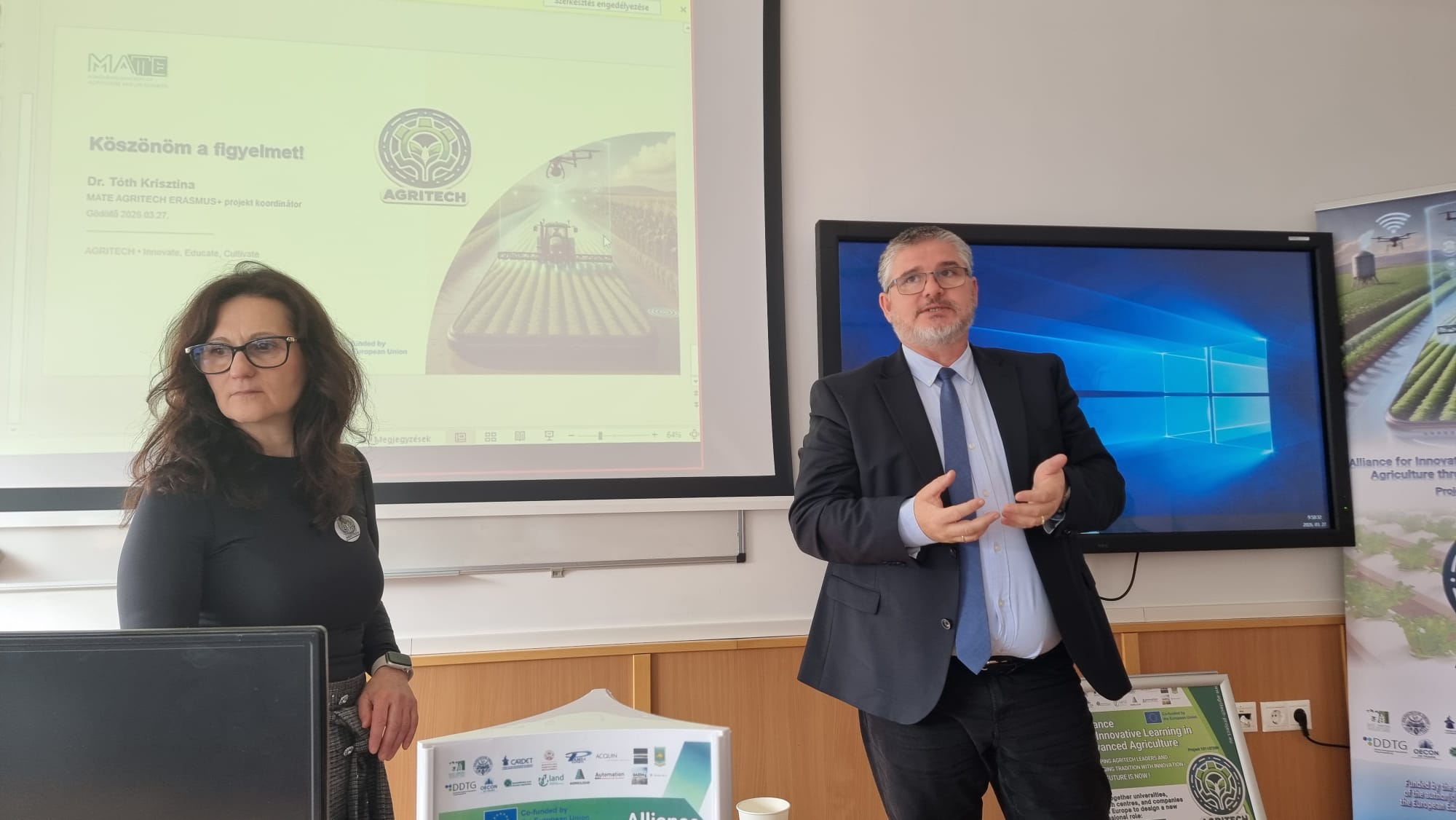
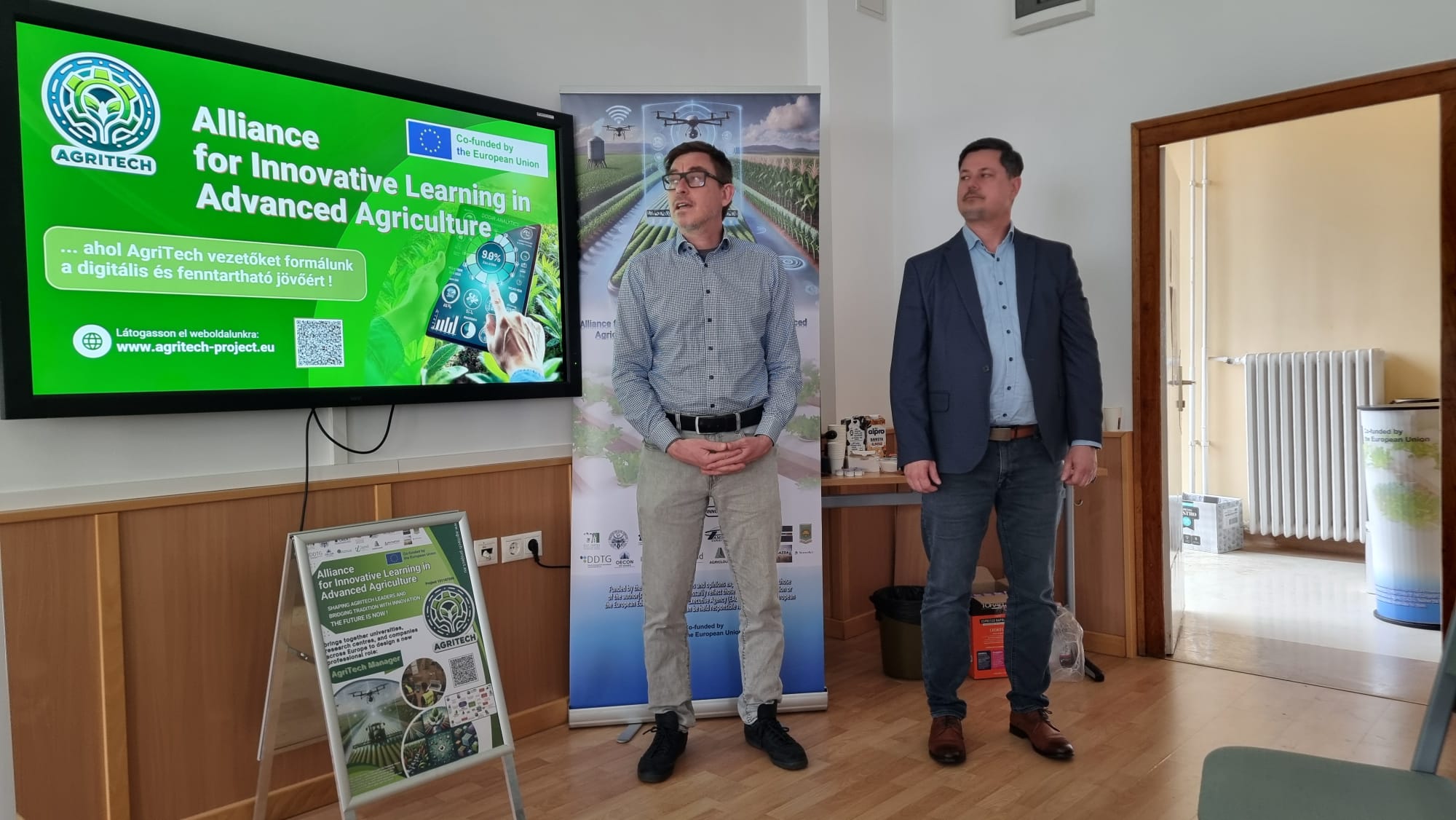
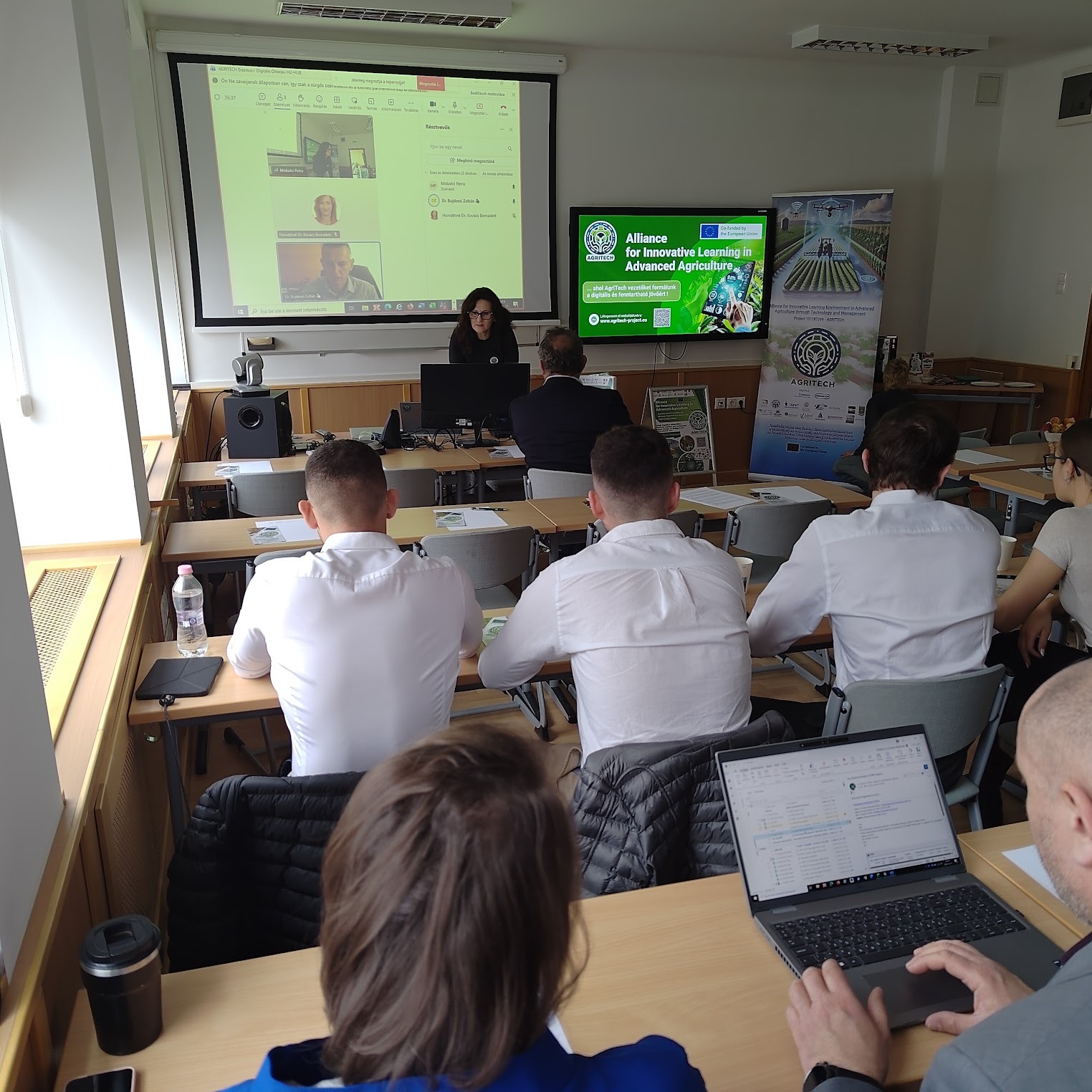
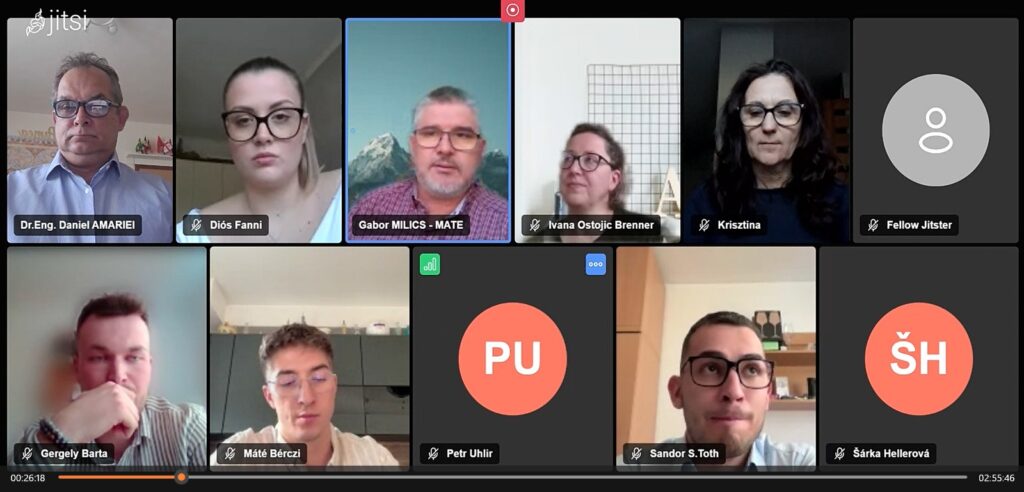
PAMEA was pleased and honoured to take part in the launch of the HU-HUB, a key milestone within the AGRITECHErasmus+ project.
The event brought together besides the AGRITECH Consortium members, MATE, DDTG and GAZDA KONTROLL, a strong mix of stakeholders from education, industry, and policy, reflecting the growing interest in digital transformation in agriculture. Participation exceeded expectations, with active engagement and discussion throughout the session.
The high turnout and the quality of exchanges confirmed that there is real demand for spaces like the AGRITECH HUBs. These hubs are not just a project output, but a practical step toward connecting learning, innovation, and real sector needs. As defined in the project design, they aim to bring together education and enterprise to support hands-on, future-oriented training in AgriTech .
PAMEA’s involvement focused on supporting dissemination and stakeholder engagement, ensuring that the HUB concept reaches and resonates with the right audiences across Europe.
The HU-HUB launch sets a solid starting point. What matters now is keeping this momentum and turning interest into sustained participation and concrete learning activities, starting with 14.04.2026.
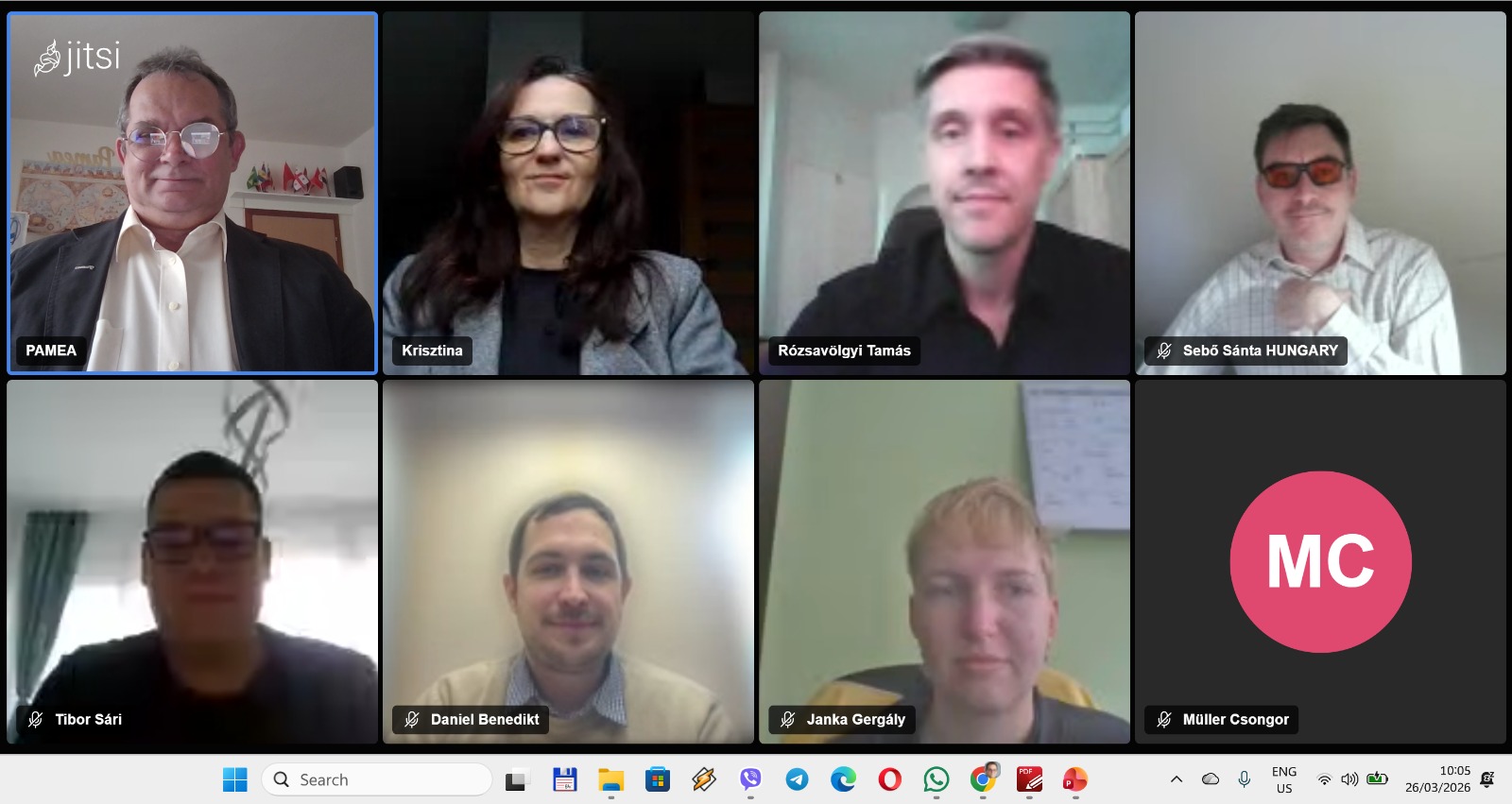
On 26 March 2026, PAMEA hosted the second AGRINOVA Good Practices Exchange online meeting (10:00–13:00, Europe/Vienna). The session brought together partners and stakeholders for a practical exchange focused on real implementation experience and transferable approaches.
In difference to the First Meeting, this second meeting featured 12 best practice presentations, each adding clear value through concrete examples, applied methods, and lessons learned. The topics covered a wide range of sustainable and smart farming solutions, including biostimulants, low-carbon approaches, intralogistics, precision seeding, soil conservation, differentiated nutrient application, drone-supported plant protection, digital technologies in livestock farming, social cooperation models, and AI applications in agriculture.
The session covered a strong mix of sustainable and smart farming applications, ranging from the benefits of bacterial biostimulants and a Czech low-label carbon initiative, to practical intralogistics and precision seeding, soil conservation and differentiated nutrient application, drone-supported plant protection, and digital technologies used in livestock farming; it also included social innovation through agricultural cooperatives, emerging AI applications in agriculture, and two recorded case studies focused on irrigation profitability and the shift from volume-based production to value-added products.
The good practices collected during this session will support AGRINOVA’s ongoing work on project outputs, including the development of guidance and training materials.
Thank you to all presenters and participants for the excellent preparation, active engagement, and meaningful contributions that made this meeting a success.
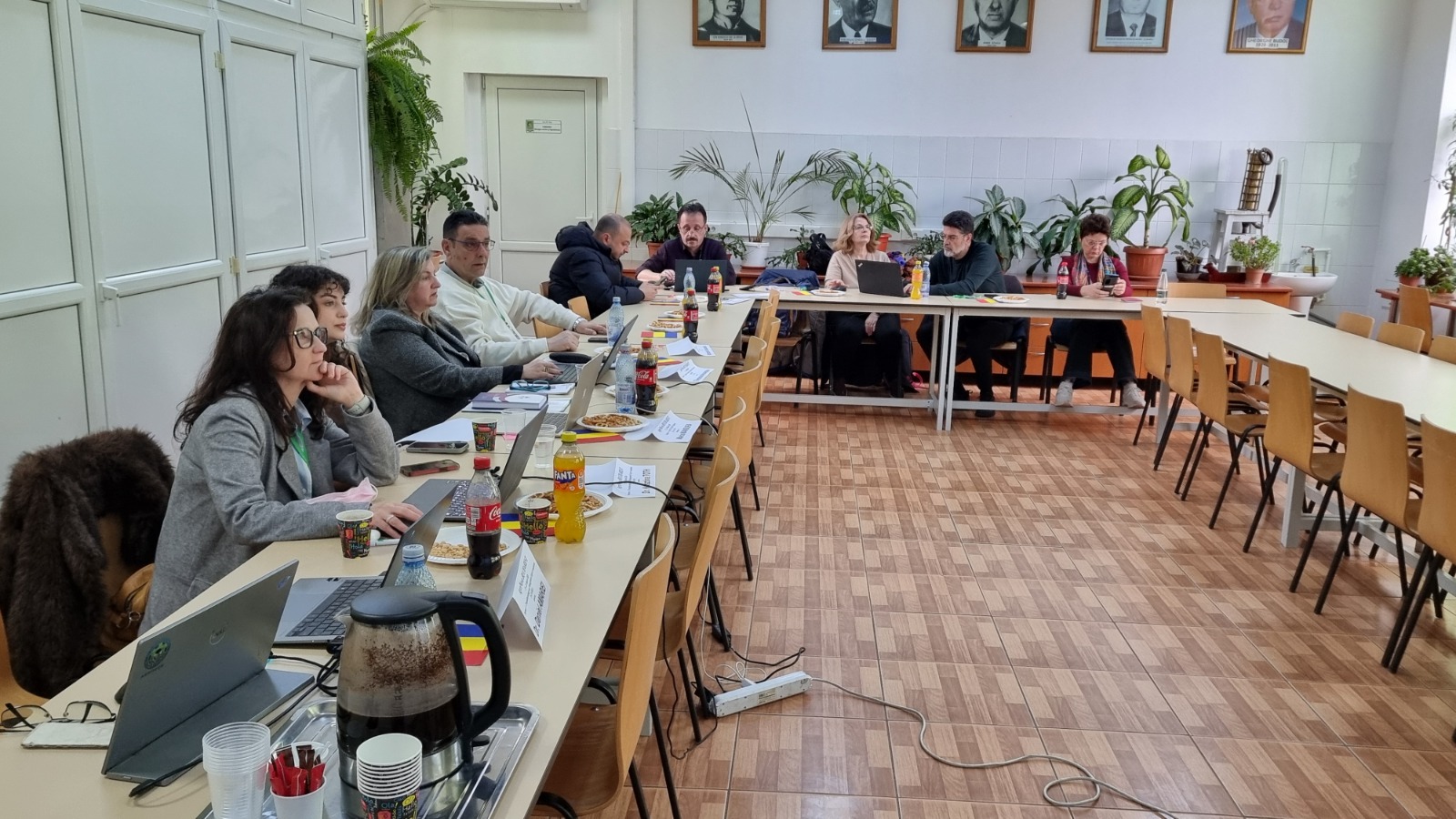
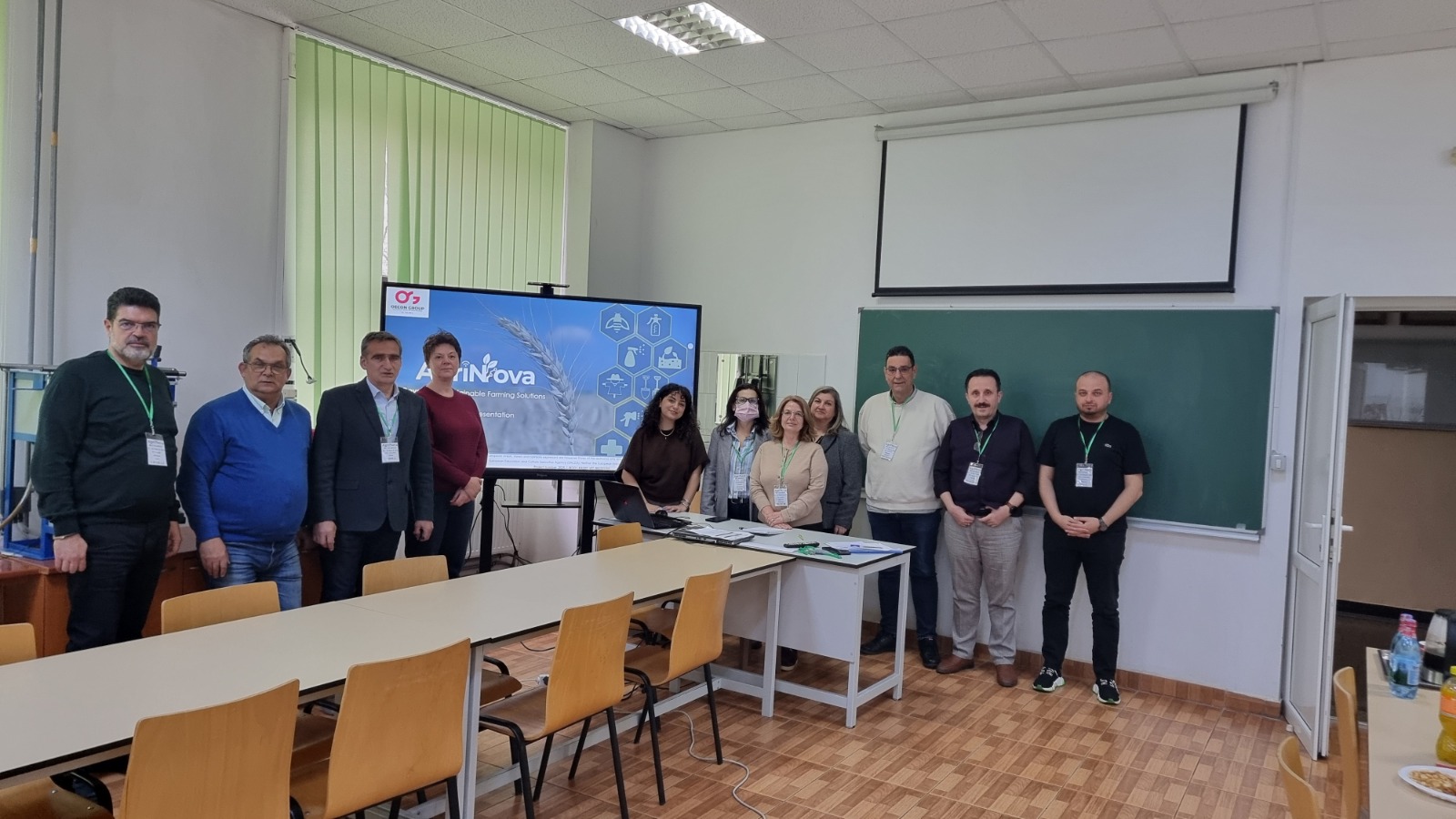
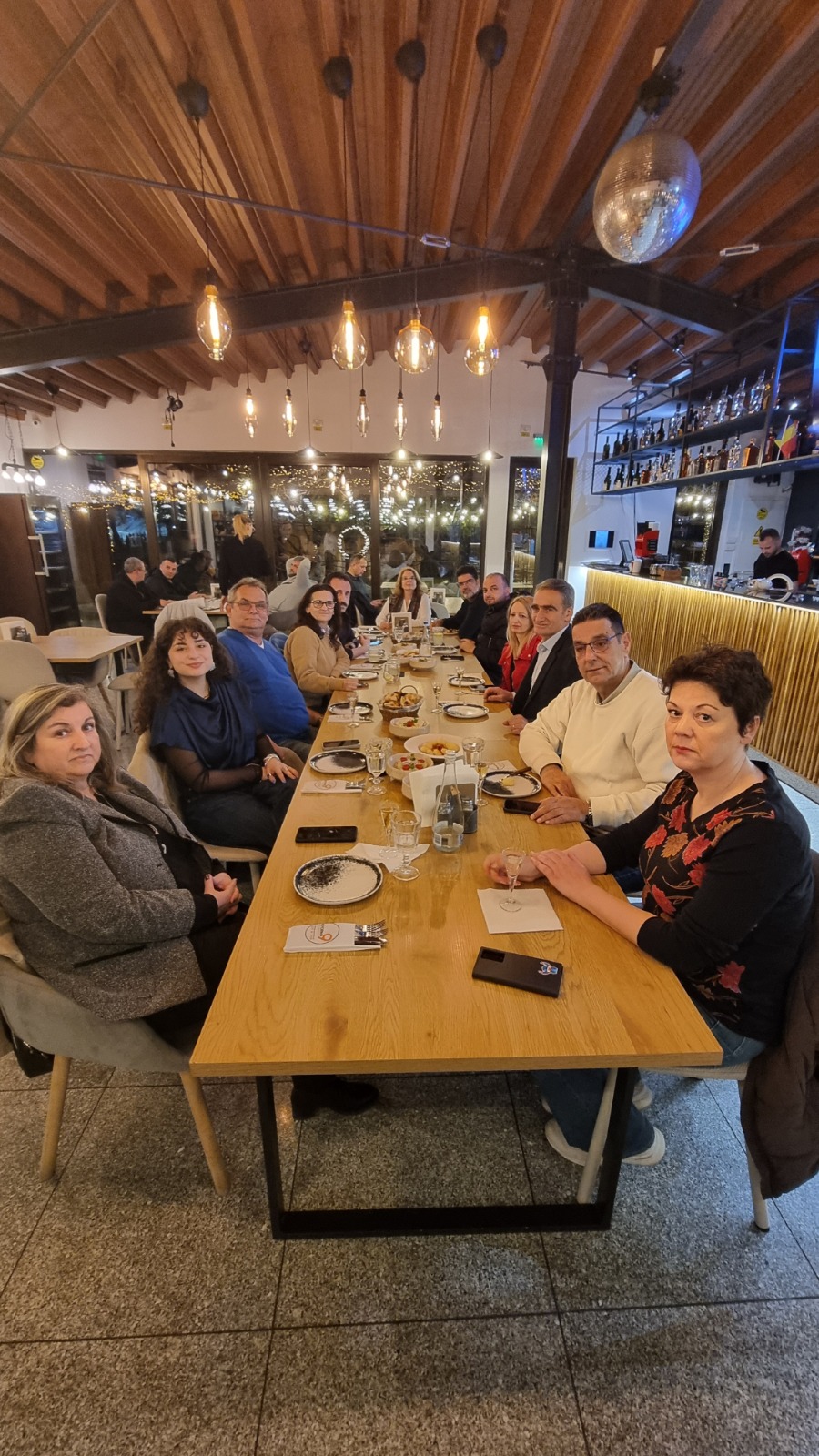
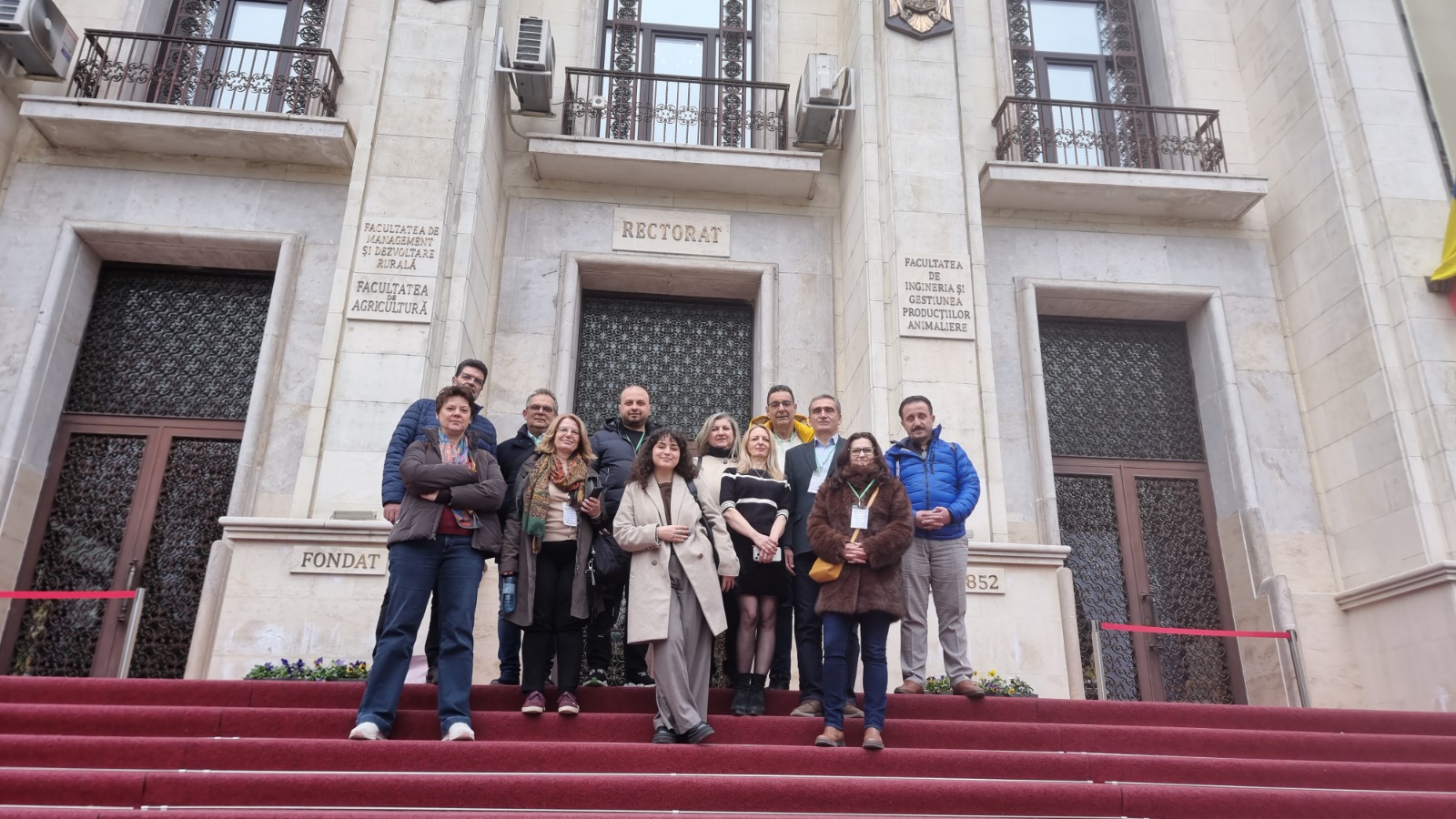
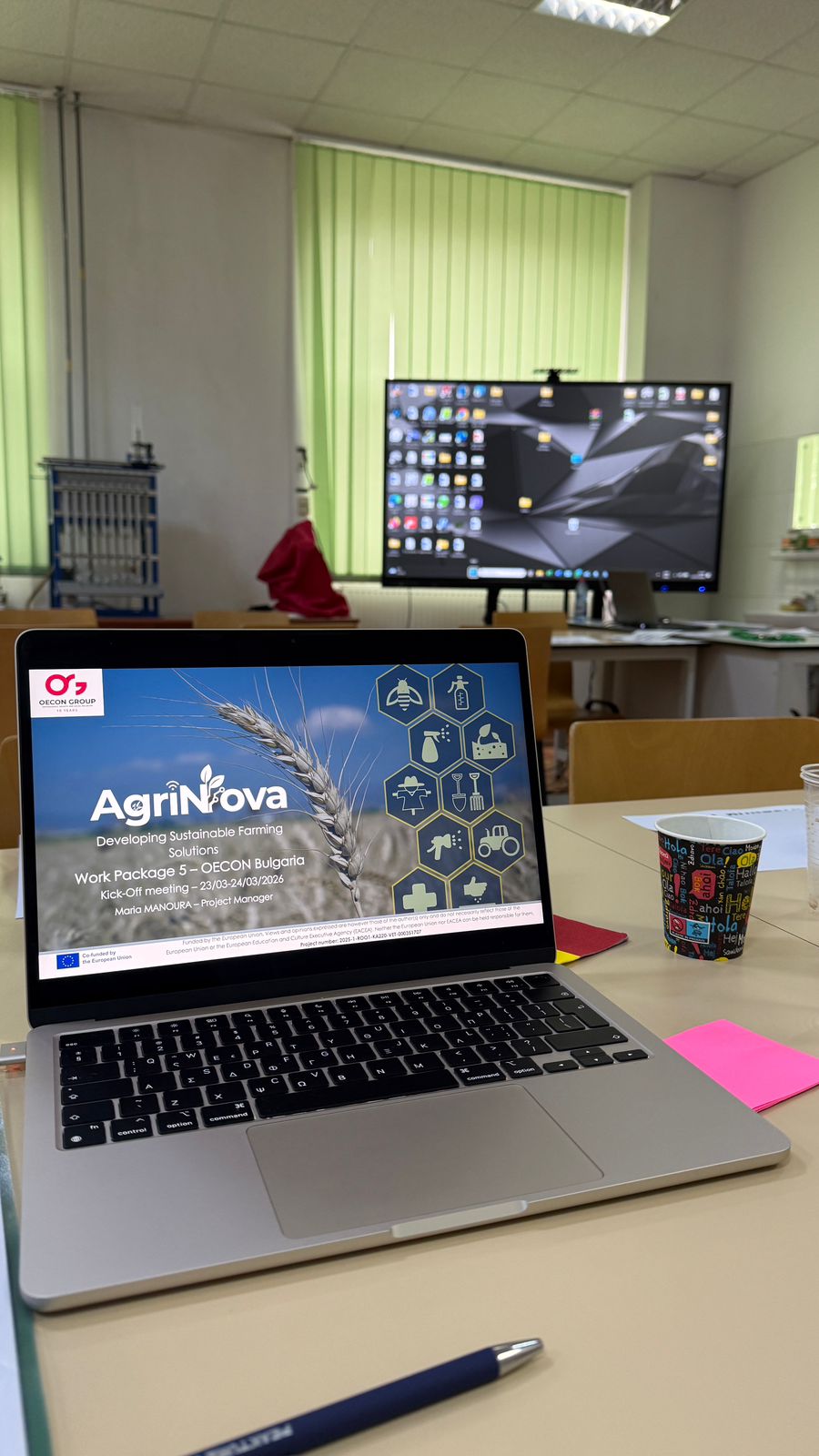
PAMEA took part in the AGRINOVA Kick-off Meeting in Bucharest, marking the official start of a new Erasmus+ cooperation project focused on sustainable farming solutions, vocational education and training, and the green and digital transition in agriculture.
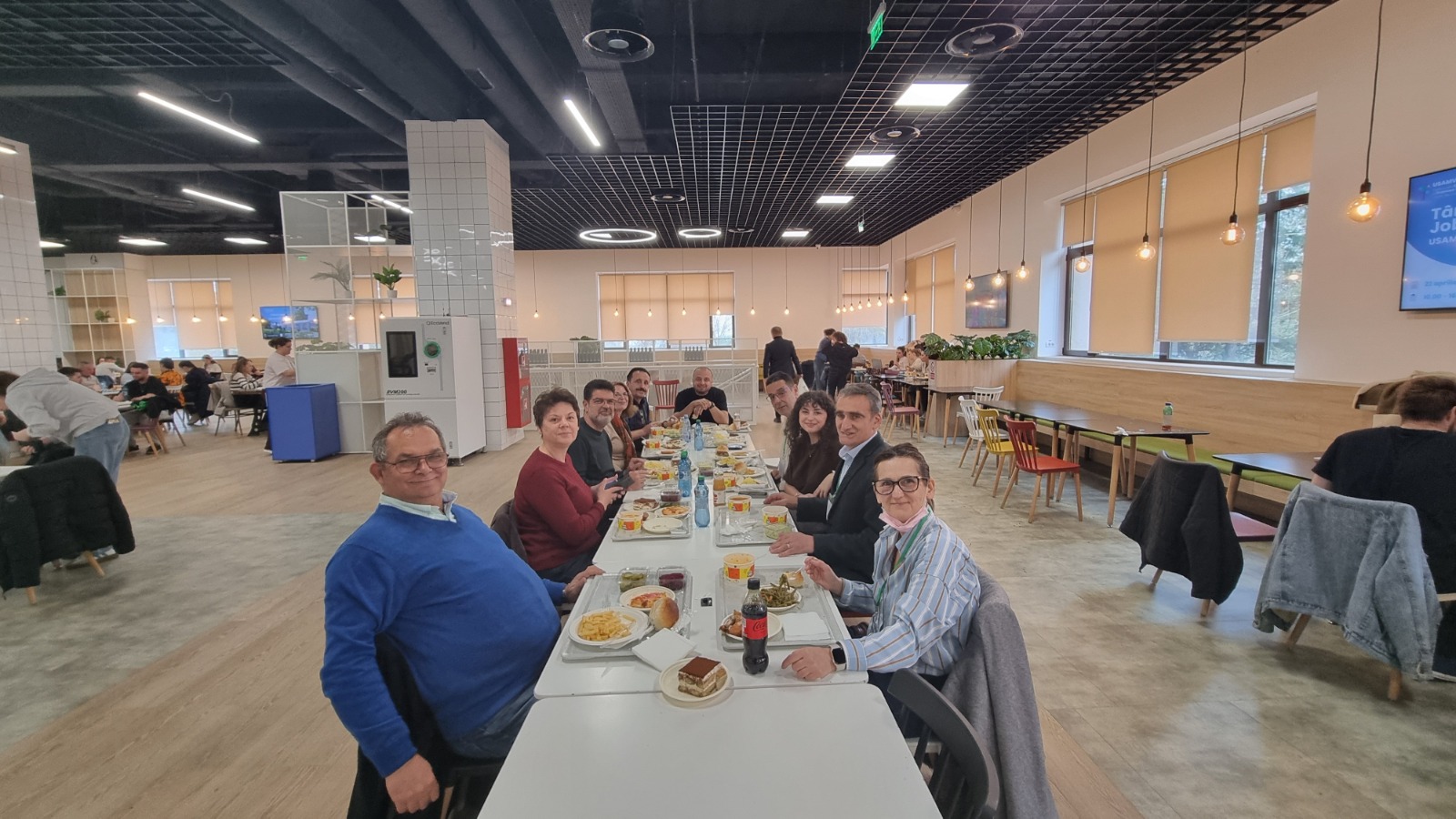
On 23-24.03, PAMEA participated in the Kick-off Meeting of AGRINOVA in Bucharest, Romania, together with the project coordinator, USAMV Bucharest, and the project partners from Turkey, Albania, Greece, and Bulgaria. AGRINOVA, titled Developing Sustainable Farming Solutions, is an Erasmus+ KA220-VET project with a total budget of €250,000 and a duration of 24 months, running from November 2025 to October 2027.
For PAMEA, the meeting in Bucharest was an important opportunity to align with partners on the project’s objectives, work plan, and first implementation steps. Within AGRINOVA, PAMEA will play an active role in co-leading work related to the AGRINOVA Guide, including focus groups with farmers and VET teachers, and will also contribute to the pedagogical structure of the curriculum and Training of Trainers activities. In addition, PAMEA will support dissemination and communication activities, helping to strengthen the project’s visibility and impact across European networks.
The Bucharest meeting set the basis for the cooperation ahead and opened the project’s first phase of work, focused on research, stakeholder engagement, and the collection of good practices in sustainable and smart farming. Through this collaboration, AGRINOVA seeks to strengthen the capacity of VET providers, improve links between education and the agricultural sector, and support the uptake of greener and more innovative practices at local and European level.
PAMEA is pleased to contribute to this partnership and looks forward to working with the consortium to support more resilient, practical, and future-oriented agricultural training across Europe. Stay tuned for updates as AGRINOVA progresses with research activities, curriculum development, pilot actions, and dissemination events across partner countries.
On 18 March 2026, PAMEA hosted the first AGRINOVA GOOD PRACTICES EXCHANGE online meeting, bringing together partners and stakeholders for a focused session on practical solutions and real implementation experience.
The meeting featured 10 best practice presentations, each offering clear value through concrete examples, results where available, and honest lessons learned. Contributions covered a wide range of approaches, from sustainable farming practices and resource efficiency to digital tools, circular solutions, and adoption measures. Beyond showcasing what was done, presenters highlighted the conditions that make a practice transferable, including enabling factors, typical barriers, and risks to avoid.
The good practices collected during this session will feed directly into upcoming AGRINOVA outputs, including the AGRINOVA Guide and the project’s training and learning materials.
We warmly thank all presenters for their preparation, effort, and constructive cooperation, and we thank all participants for the strong engagement and discussion throughout the meeting.